As an Amazon Associate, we earn from qualifying purchases. Some links on this site are affiliate links at no extra cost to you. Our recommendations are based on thorough research and editorial judgment.


Manual Focus for Video: A Beginner-Friendly Method That Works

Manual focus is an essential skill for video production, giving us control over depth and detail. We can achieve precise sharpness and enhance storytelling, especially in challenging environments like low light or during macro shots. Using techniques like rack focus and focus peaking, we can guarantee that our subjects remain sharp while managing background blur. By understanding the differences between manual and autofocus, we can improve our shooting technique and adaptability, leading to better results in our projects. There’s much more to explore about mastering this technique effectively.
Key Takeaways
- Switch your camera to manual focus for greater control over your shots, enhancing creative input in videography.
- Use Live View mode to help you accurately adjust focus, especially in low-light situations.
- Incorporate focus peaking to easily identify sharp areas, improving accuracy against busy backgrounds.
- Practice rack focusing to create smooth transitions between subjects and tell a more engaging story.
- Regularly switch between manual and autofocus settings to develop adaptability and enhance overall filming skills.
Understanding Manual Focus: Why It’s Essential for Video Production
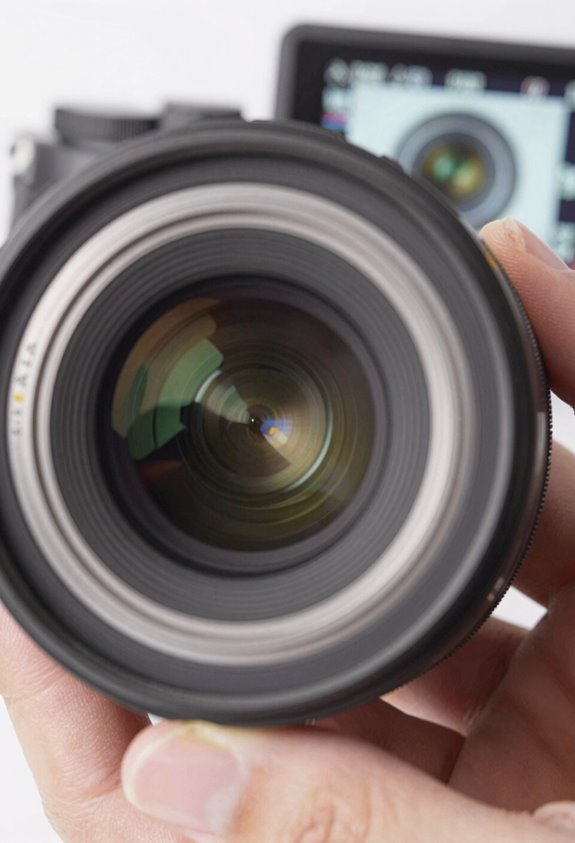
Hey there! Let’s talk about manual focus, which is super important if you want to step up your video production game. Manual focus means you get to decide exactly what’s sharp and clear in your shot, giving you the power to create specific looks and tell your story in a really intentional way. It’s different from autofocus, which can sometimes struggle, especially in tricky lighting or when there are a lot of moving parts in the scene.
For instance, if you’re filming a close-up of someone sipping a coffee, you don’t want the focus jumping around if the background shifts. By using manual focus, you can keep that coffee cup crisp while the background blurs out, adding a nice touch to your composition. Plus, if you’re into macro videography—like capturing tiny insects or flowers—having control over focus lets you highlight those amazing details that can draw viewers in.
Mastering manual focus isn’t just about getting clear shots. It’s about creating smooth transitions too. For example, when you want to shift attention from one subject to another, like moving from a person’s face to what they’re holding, you can do a rack focus that’s clean and seamless. So, as you explore this technique, you’ll really start to see how it helps shape your unique style and storytelling approach. Ready to see how you can apply this knowledge to your next project? Using quality accessories like 15mm rod clamps can enhance your manual focus work by providing extra stability and flexibility during dynamic shooting conditions.
Effective Scenarios for Manual Focus
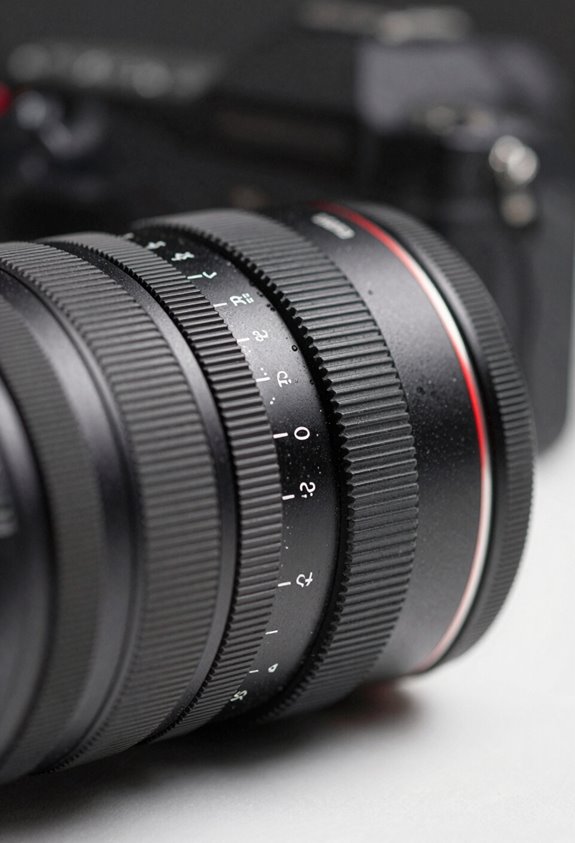
Hey there! You know, while autofocus is super handy for most situations, there are some cases where manual focus really stands out. For instance, when you’re doing macro photography—like capturing the intricate details of a flower or a tiny insect—manual focus helps you nail that sharpness because autofocus can easily get confused by all the tiny elements in the frame.
And think about those low-light scenarios. When the daylight fades or you’re indoors, autofocus can struggle to find a clear point to latch onto. Switching to manual focus allows you to have complete control over your shots without your camera constantly hunting for a focus point.
Another cool trick is when you’re photographing fast-moving subjects, like kids playing or pets zooming around. You can pre-focus on a spot where you expect them to cross, ensuring they stay sharp in the frame. On the flip side, if you’re working with slow-moving scenes and using a shallow depth of field, every little adjustment in focus matters to achieve that beautiful, blurred background effect.
Using a monitor with IPS panels can help you accurately judge focus thanks to their wide viewing angles and color accuracy.
Common Challenges and Solutions in Manual Focus
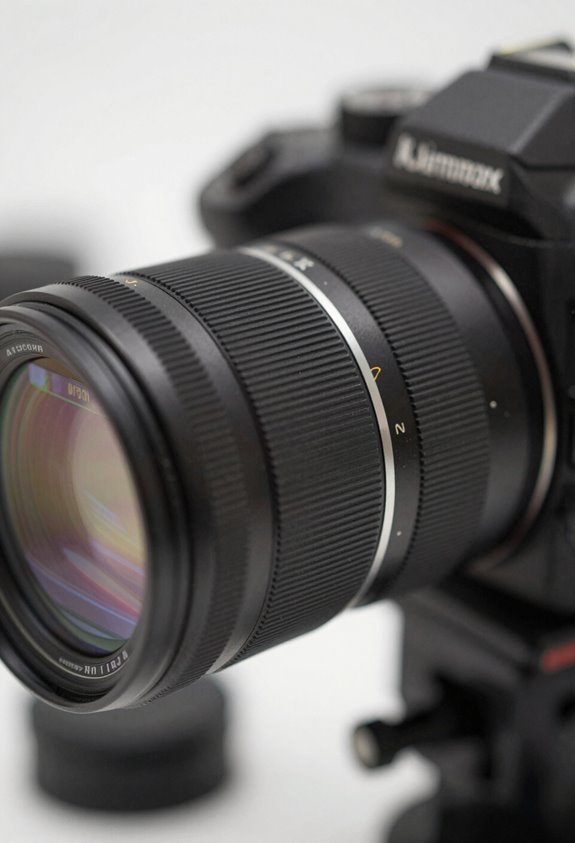
Hey! So, let’s chat about manual focus. It can really give you some creative freedom in your photography, but it also comes with its share of challenges that can affect how your shots turn out. One major issue you might face is when your subject moves unexpectedly, which can leave you with disappointing out-of-focus shots. A great way to tackle this is by practicing the rack focus technique. This technique allows you to shift your focus smoothly between different moving subjects, like when you’re capturing a soccer game and want to switch from one player to another as they sprint down the field.
Another challenge is dealing with low-light situations. It can get tricky because there’s not enough contrast to help you pinpoint the focus. A neat tip is to use your camera’s Live View feature, which can brighten your screen and make it easier to see what you’re actually focusing on. Then there’s the problem of busy backgrounds; using focus peaking can really make a difference here. It highlights which areas are in focus, helping you nail that sharp shot you’re aiming for.
Lastly, glare on your LCD screen can really throw you off when trying to assess your focus. If you find yourself struggling, consider using a hood or simply find a shaded spot to work in. This will make it much easier to see and adjust your focus effectively. So as you can see, while manual focus has its challenges, there are practical solutions to enhance your shooting experience and improve your results! Additionally, protecting your camera with neoprene covers can help maintain its condition and performance during outdoor shoots.
How to Overcome Manual Focus Challenges
You know, overcoming the challenges of manual focus can really make a difference in how we shoot video. Autofocus can struggle sometimes, especially in tricky lighting, so knowing how to manually focus can help us get those sharp shots we want. One way to get a clearer view of your focus is by using the Live View mode on your camera. It’s a game-changer in low-light situations where the contrast isn’t strong enough for autofocus to work well.
Another handy trick is to use focus peaking. It highlights the areas of your shot that are in focus, making it super easy to see what’s sharp and what’s not. Plus, have you ever tried zone focusing? It’s a technique where you set your focus distance ahead of time based on where you think your subject will be. This is great for events like weddings or sports, where the action can get fast and unpredictable.
Once you’ve got your footage, take a moment to review it by zooming in on your camera’s LCD screen. This way, you can confirm that you got the focus right and see where you might improve next time. The more you practice these tips, the more confident you’ll feel with manual focus, and your video production will really benefit from it. Using a stable platform like a carbon fiber tripod can also aid in maintaining sharp manual focus shots by reducing camera shake.
So, next up, let’s chat about how to handle exposure manually for those perfectly lit shots!
Step-By-Step Guide to Mastering Manual Focus Techniques
If you want to really step up your video game, mastering manual focus techniques is the way to go. It’s a skill that allows for a level of precision that autofocus just can’t deliver, especially in tricky situations. First things first, let’s find that manual focus (MF) option on your camera. Flick it from autofocus to manual so you can take charge of that focus ring on your lens.
Now, as you get into it, use your camera’s viewfinder or switch to Live View mode. Twist the focus ring, and keep an eye on your subject to make it crisp and sharp. If you’re shooting in low light or working with a shallow depth of field, a handy trick is to zoom in on the LCD after snapping a shot to double-check your focus. And if you’re planning to shoot moving subjects, practice flipping between manual and autofocus so you can adapt quickly.
Don’t forget about rack focusing! It’s a clever way to enhance your storytelling by smoothly shifting focus from one subject to another, whether it’s highlighting a person in the foreground or drawing attention to something in the background. Just imagine panning from a character’s face to the beautiful scenery behind them! It adds depth to your shots. Now, let’s explore some tips on how to adjust your focus during filming for the best results.
Using a camcorder with a 270-degree rotating screen can make it easier to monitor focus from different angles while filming.
Manual vs. Autofocus: Key Differences
When we chat about focus in videography, the choice between manual and autofocus can really shape our projects. Manual focus gives you that hands-on control over the lens, which is super helpful in tricky scenarios where autofocus might miss the mark. For example, if you’re filming in a dimly lit room, manual focus can save you from those frustrating moments when the camera just can’t find its target and starts “hunting” for focus.
On the flip side, autofocus is all about speed. It locks onto subjects quickly, which is perfect for fast-paced action—think shooting a sports event or capturing kids playing in the park. But when it comes to techniques requiring precision, like rack focus (where you shift the focus from one subject to another) or macro photography (getting up-close shots of tiny details), manual focus shines. So, if you’re planning to shoot still subjects or want to play around with creative effects, manual focus is often the way to go.
Understanding these differences can truly enhance your videography skills, guiding you toward the right choice for your next project. Additionally, pairing manual focus with advanced Image Stabilization Technologies can help ensure your shots remain smooth and clear even when adjusting focus manually.
Frequently Asked Questions
What Focus Mode Is Best for Video?
For video, we believe manual focus often outshines others. It lets us employ focus techniques creatively, especially with dynamic framing and careful lens selection, ensuring our shots are sharp and engaging, regardless of the environment.
Is It Better to Autofocus or Manual Focus?
Like a dancer choosing between rhythm and precision, we find that while autofocus offers reliability in dynamic shooting scenarios, manual focus grants us advantages in control and artistry, ensuring we capture every moment with stunning clarity.
What Is Manual Focus Good For?
Manual focus’s great for enhancing depth perception techniques, crafting creative storytelling, and perfecting visual composition. It empowers us to control focus precisely, elevating our photography and video skills while capturing the moment as envisioned.
How to Get Good at Manual Focus?
To get good at manual focus, we must explore various focus techniques and lens selections. With dedicated practice strategies, such as adjusting in different lighting and observing outcomes, we’ll gradually sharpen our skills and confidence.


