As an Amazon Associate, we earn from qualifying purchases. Some links on this site are affiliate links at no extra cost to you. Our recommendations are based on thorough research and editorial judgment.


1-Inch Vs Smaller Sensors in Camcorders: What Changes Visually

When we compare 1-inch sensors to smaller alternatives in camcorders, we notice distinct visual changes. Larger 1-inch sensors (13.2mm x 8.8mm) capture more light, resulting in clearer and less noisy images, particularly in low-light conditions. They also provide shallower depth of field, creating more artistic isolation of subjects. In contrast, smaller sensors, such as 1/2.3-inch options, struggle with noise and require longer focal lengths, diminishing creative effects. Let’s explore these differences further to enhance your understanding.
Key Takeaways
- 1-inch sensors gather more light, resulting in clearer images with reduced noise, especially in low-light environments compared to smaller sensors.
- Larger sensors provide a shallower depth of field, allowing for better subject isolation and aesthetically pleasing bokeh effects.
- The image quality from 1-inch sensors includes improved sharpness and color depth, enhancing visual creativity in filmmaking.
- Smaller sensors often produce grainier footage due to their limited light-gathering capability, particularly noticeable at higher ISO settings.
- Investing in 1-inch sensors generally leads to a higher cost, but the benefits in low-light performance and overall image quality can justify the expense.
Understanding 1-Inch Sensors: What They Really Are

Hey there! Let’s chat about camcorder sensors, specifically those 1-inch sensors. You might think 1 inch means the sensor actually measures that much, but it’s a bit of a misnomer. In reality, these sensors measure about 0.63 inches diagonally, which translates to dimensions of roughly 0.52 inches by 0.35 inches. This naming comes from older technology like cathode-ray tubes, not from the current image sensors we use.
So, what’s the big deal about 1-inch sensors? Well, one of their standout features is how well they handle low-light situations. For example, if you’re filming at a family event in a dimly lit restaurant, a 1-inch sensor can help you capture clearer and brighter footage without too much noise. Plus, they give you improved image quality and a more pleasing depth of field, so your subject stands out beautifully against a softly blurred background.
Understanding the size and capabilities of these sensors can really help you choose the right camcorder for your needs. With that said, let’s move on to the different types of sensors you might encounter in the world of videography! Many professional 4K UHD camcorders use advanced sensors like the Exmor R CMOS to maximize low-light performance and image clarity.
Comparing 1-Inch Sensors to Smaller Alternatives

So, let’s chat about 1-inch sensors and how they stack up against smaller alternatives in the world of camcorders. These 1-inch sensors, which measure about 13.2mm x 8.8mm, are pretty impressive when it comes to image quality. In contrast, smaller sensors like the 1/2.3-inch ones are only around 6.2mm x 4.6mm. Because those larger sensors can gather more light, they can produce sharper images with a lot more detail.
One of the cool things about having a 1-inch sensor is that it often gives you a shallower depth of field. This means you can blur the background nicely, making your subject really pop—perfect for those artistic shots. For example, if you’re using a camcorder like the Panasonic HC-V777, you’ll notice just how much more vibrant your recordings look, particularly in challenging lighting situations where smaller sensors tend to pick up a lot of noise.
In a nutshell, if you’re serious about getting great video quality, especially in diverse lighting, a camcorder with a 1-inch sensor is definitely worth considering. Now, let’s take a closer look at what that means for different types of filming scenarios, including how using professional audio enhancements can further improve your overall video production quality.
Recommended Products

STUNNING VIDEO QUALITY – The Canon CR-N500 Remote PTZ camera delivers advanced performance and outstanding 4K 30p and Full HD 60p video output thanks to a 1" CMOS sensor, DIGIC DV 6 image processor, and Dual Pixel CMOS AF for fast, reliable, and precise auto focus

Items Include:Sony PXW-Z200 4K 1" CMOS Sensor XDCAM Camcorder, Sony 80GB CFexpress Type A TOUGH Memory Card, Sony BP-U35 Battery Pack, Large Case, Telephoto Lens, Memory Card Reader, Filter Kit, Wide Angle Lens Attachment, Memory Card Wallet, Lens Cap Keeper, Cleaning Kit, HDMI Cable

Items Include:Sony PXW-Z200 4K 1" CMOS Sensor XDCAM Camcorder, Sony BP-U35 Battery Pack, 64GB Memory Card, Large Case, Memory Card Reader, Memory Card Wallet, Lens Cap Keeper, Cleaning Kit, HDMI Cable
The Impact of Sensor Size on Low Light Performance

You know, a lot of folks don’t realize just how crucial sensor size is in camcorders, especially when it comes to low light performance. Think of it this way: larger sensors, like the 1-inch models, have a bigger surface area—around 13.2mm x 8.8mm. This extra area allows them to capture more light, which is key for getting clearer and brighter footage in dim lighting.
On the flip side, smaller sensors tend to struggle a bit. For example, a camcorder like the Panasonic HC-V777 that has a 1/2.3 inch sensor can end up producing noisy images when the light gets low. In contrast, a camcorder with a 1-inch sensor can deliver much clearer shots, even in tricky lighting situations. This clear difference really emphasizes why sensor size matters so much when filming in low light.
Additionally, camcorders with enhanced CMOS sensors ensure superior light sensitivity, further improving low light video quality.
Recommended Products

Bundle Item Includes: 1 x Canon XF605 UHD 4K HDR Pro Camcorder, 1 x Large Bag, 1 x Memory Card Reader, 1 x Lens Cap Keeper, 1 x Memory Card Wallet, 1 x Cleaning Kit

Canon USA Authorized. Items Include: Canon XF605 UHD 4K HDR Pro Camcorder – 1" CMOS Sensor, 15x Optical Zoom, Dual Pixel AF, Wi-Fi, Broadcast Event Professional Video Camera, 64GB Memory Card

The�Panasonic AG-CX350 4K Camcorder�is designed for what Panasonic is calling the fusion of communication and broadcasting.
Why Larger Sensors Excel in Image Noise Management
Hey! So, have you ever wondered why sensor size really matters when it comes to managing image noise? Well, it turns out that larger sensors, like the Full Frame sensor (the one that measures 36×24 mm) or even a 1-inch sensor, are way better at handling low light situations. They have a bigger surface area, which means they can capture more light and produce cleaner, sharper images, especially when you’re using high ISO settings.
For instance, if you’re capturing a night scene or a dimly lit indoor event, a camera with a larger sensor will give you clearer pictures without that annoying graininess. On the flip side, smaller sensors, like those that are just 1/2.3-inch or 1/5.8-inch, have tiny pixels that just can’t gather enough light efficiently. This often leads to higher noise levels, making them less effective in tricky lighting conditions, like a candlelit dinner or an evening concert. Many professional camcorders include image stabilization features to enhance footage quality further in such challenging lighting environments.
How Sensor Size Affects Depth of Field
Hey there! So, let’s chat about how sensor size affects depth of field, especially if you’re into filmmaking. Basically, larger sensors—think 1-inch formats—make it easier to create that beautiful shallow depth of field we all love. This effect helps pop out your subjects while beautifully blurring the background. Imagine filming a close-up of a person speaking: with a larger sensor, their face would be in sharp focus, while everything behind them fades into a lovely blur.
Here’s a fun detail: larger sensors can give you about 2 stops shallower depth of field compared to smaller sensors—this means you can really make your focal points stand out. If you want to enhance that dreamy bokeh effect, using a wider aperture with a bigger sensor really helps as well. On the flip side, if you’re working with a smaller sensor, you’ll probably need longer focal lengths to get similar views, but that also increases depth of field. So, your subjects might blend more into their backgrounds, making it harder to pull off that dynamic look.
Understanding this can really change how you approach your shots, whether you’re focused on a grand landscape or intimate portraits. It’s all about creating the scene you envision! Now, let’s explore how to apply these concepts in practical filmmaking situations. Keep in mind that cameras with advanced stabilization can help maintain clarity and focus, especially when working with shallower depth of field and moving subjects.
The Role of Lens Quality in Sensor Performance
Hey there! Let’s chat about the fascinating link between lens quality and sensor performance, especially in video production. Basically, a really good lens can do wonders for how well a sensor works. Think of it this way: a high-quality lens helps larger sensors gather more light, which directly boosts image clarity and cuts down on any weird visual distortions.
For instance, if you’re shooting in low light, a lens with a larger maximum aperture can brighten up your images significantly. This is super helpful for creating that beautiful depth of field effect often seen in movies. Just imagine filming an interview where the background is blurred, making your subject pop!
Also, if you use lenses that are tailored for specific sensor sizes, you can avoid issues like vignetting, where the edges of your image might get dark. This little detail can really maximize the resolution and detail you’re capturing. So, when you invest in quality lenses, you’re not just improving the technical aspects; you’re also elevating the overall look of your visuals by enriching elements like bokeh, contrast, and fine details. It’s all about creating stunning output that feels professional and polished.
Additionally, selecting devices with high-resolution displays can complement your footage by ensuring you view every detail vividly during editing. Now that we’ve seen how important lenses are for getting the most out of your sensor, let’s explore some tips on choosing the right lens for your needs.
How Does Sensor Size Affect Visual Aesthetics?
You know, the size of a camera sensor really has a huge impact on visual aesthetics, whether you’re shooting a video or taking photos. Let’s break it down: larger sensors, like the popular 1-inch ones, can create a shallower depth of field. This makes it easier to isolate your subject from the background, giving you that dreamy bokeh effect that looks so nice in videos.
Plus, when it comes to low-light situations, larger sensors shine by capturing more light, resulting in clearer images with less noise. For example, if you’re filming in a dimly lit restaurant, a larger sensor can help you get sharp footage without those annoying grainy spots.
On the flip side, smaller sensors have a crop factor that narrows your field of view, which can change how you compose your shots. If you’re working with a camera that has a smaller sensor, like some compact models, you’ll need to think more about framing since it effectively makes your lens act like a longer one. These differences in image quality—like sharpness and color depth—can really shape your creative decisions and the overall vibe of your project.
Additionally, camcorders such as the Sony FDR-AX700 utilize 1-inch CMOS sensors to deliver remarkable low-light performance, enhancing visual quality in challenging settings.
Cost Considerations: Investing in Larger Sensors
If you’re thinking about camcorders, consider investing in models with larger sensors, like those 1-inch ones. They can really make a difference in the quality of your videos, especially when filming in low light. These larger sensors capture more light, which means you get sharper images and less noise.
Now, here’s the catch: these bigger sensors usually come with a steeper price tag. This reflects the technology involved. Plus, the lenses that pair well with 1-inch sensors can also get pricey, particularly the longer focal lengths that let you really take advantage of those superior optics. For instance, if you’re shooting interviews in dimly lit spaces, a 1-inch sensor can make your footage look much cleaner compared to a smaller sensor.
Additionally, cameras equipped with dual base ISO technology help maintain clarity and reduce noise across various lighting conditions, enhancing low-light performance even further.
How to Choose the Right Sensor Size for Filmmaking
Choosing the right sensor size for filmmaking is super important because it influences the quality of the footage we capture. Think of it this way: a larger sensor, like a 1-inch sensor which measures around 13.2mm x 8.8mm, performs much better in low light. So, if you’re shooting in a dimly lit environment for a scene, a larger sensor will help reduce noise and give you clearer images. This is why many filmmakers prefer them, especially for night scenes or indoor settings.
Another cool thing about larger sensors is their ability to create a shallower depth of field. This means you can easily blur the background while keeping your subject in focus, which really makes your shots pop! For example, if you’re shooting a close-up of an actor’s face, a larger sensor would beautifully isolate them from a busy background, adding to the cinematic feel.
Now, don’t forget about crop factor! This little detail affects how your lenses behave in terms of effective focal length. So, if you’re using a smaller sensor, you might have to adjust your lenses to get the framing just right for your storytelling. It’s all about finding that balance between sensor size, lens choice, and the story you want to convey. Understanding these details will definitely help elevate your filmmaking skills!
Additionally, investing in cameras with advanced image stabilization can greatly improve the smoothness and overall quality of your footage, especially when working with larger sensors for handheld shots.
Recommended Products

The Canon XF605 UHD 4K HDR Pro Camcorder excels in high-resolution video capture, supporting UHD 4K60 4:2:2 10-bit recording with its compact 1" CMOS sensor and DIGIC DV 7 engine. Its dual SD card slots enable simultaneous capture of different codecs and rates, accommodating diverse shooting needs and ensuring versatile footage options across XF-AVC and MP4 H.264/H.265 formats.
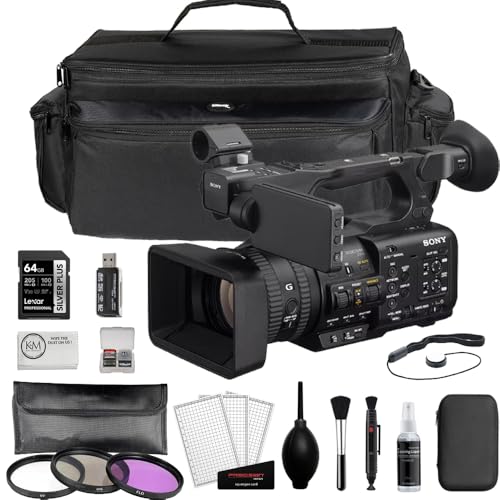
EXMOR RS CMOS SENSOR: The PXW-Z200 is equipped with a large (approximately 14.0 megapixel (effective) 1.0-type Exmor RS CMOS image sensor. Its unique stacked structure—with back-illuminated pixels layered over integrated signal processing circuits—enables faster read-out speeds and superior low-light performance due to the design allowing more light to reach the sensor. 5K oversampling with full-pixel readout condenses ample image information into stunning 4K (3840 x 2160) 60p video.

1.0-inch 4K UHD CMOS Sensor
1-Inch vs Smaller Sensor Footage: Real-World Comparisons
Let’s talk about the differences you’ll notice when comparing footage from 1-inch sensors to smaller sensors. When you use a 1-inch sensor, like the one in the Panasonic HC-V777, it really shines in low-light situations because it gathers more light. This means you get cleaner images with less noise—think of how grainy your photos can get when it’s dark outside.
On the other hand, smaller sensors, like the 1/5.8-inch one in the Sony HDR-CX625, often struggle a bit in those same conditions. They need to boost the ISO to brighten things up, but that can lead to more noise and less detail. For instance, if you’re filming an evening event, the 1-inch sensor will provide a sharper image with more vibrant colors and even a nice blurring effect in the background, which can make your subject stand out beautifully.
This advantage is further enhanced by the use of CMOS sensor technology, which improves image capture in varied lighting conditions.
Recommended Products
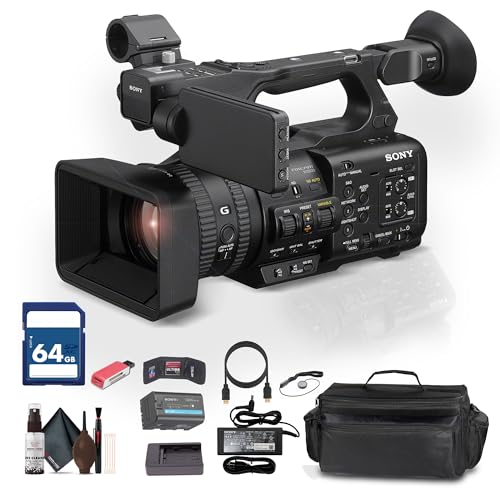
Sony USA Authorized. Bundle Includes: Sony HXR-NX800 4K HDR 1" Sensor NXCAM Camcorder, 64GB Memory Card, Large Case, Memory Card Reader, Memory Card Wallet, Lens Cap Keeper, Cleaning Kit, HDMI Cable

Items Include:Sony HXR-NX800 4K HDR 1" Sensor NXCAM Camcorder, Sony BP-U35 Battery Pack, 64GB UHS-II Memory Card, Large Case, Memory Card Reader, Memory Card Wallet, Lens Cap Keeper, Cleaning Kit, HDMI Cable
Frequently Asked Questions
Does Sensor Size Affect Video Quality?
Doesn’t sensor size really matter? It absolutely does! Larger sensors enhance sensor performance, improve low light capability, and provide better depth perception and color accuracy, elevating our video quality and creative storytelling to new heights.
How Does Sensor Size Affect Field of View?
Sensor size affects field of view by altering our framing options and depth perception. We’ve noticed larger sensors provide better lens compatibility, allowing for more creative angles and wider perspectives compared to smaller sensors, enhancing our overall visual storytelling.
Why Do Camcorders Have Small Sensors?
Camcorders have small sensors mainly due to manufacturing costs and compact designs. While they offer depth perception benefits, they struggle with low light performance, resulting in a trade-off between accessibility and visual quality we often recognize.
Which Factors of an Image Are Affected by Camera Sensor Size?
Camera sensor size affects depth perception, low light performance, dynamic range, and color accuracy. Larger sensors generally offer improved capabilities in all these areas, enhancing our overall image quality and visual storytelling in our projects.


