As an Amazon Associate, we earn from qualifying purchases. Some links on this site are affiliate links at no extra cost to you. Our recommendations are based on thorough research and editorial judgment.


Beginner Lighting Patterns for Video (Key, Fill, Back)

To get started with beginner lighting patterns for video, we utilize a three-point lighting setup consisting of the Key, Fill, and Back Lights. The Key Light serves as the primary light source, positioned at a 45-degree angle for depth, while the Fill Light softens harsh shadows at about 50-75% of the Key’s brightness. Finally, the Back Light adds dimension by separating the subject from the background. Understanding these elements paves the way for more dynamic lighting techniques.
Key Takeaways
- Position the Key Light at a 45-degree angle to create depth and dynamic shadows in your video shots.
- Use a Fill Light at 50-75% brightness of the Key Light to soften harsh shadows and create a balanced setup.
- Place the Back Light behind the subject to enhance separation from the background and add dimension to your shots.
- Maintain a key-fill ratio of 2:1 or 1.5:1 to avoid flat images and ensure effective depth in your lighting.
- Experiment with light angles and diffusion materials to achieve a flattering and well-lit appearance in your video.
Understanding Three-Point Lighting Basics

Hey there! If you’re getting into video production, understanding three-point lighting is a total game-changer for achieving that polished look we all admire. So, let’s break it down. You have three main lights at play: the Key Light, Fill Light, and Back Light.
The Key Light is your star player; it’s the brightest and should be placed about 45 degrees to one side of your subject. Think of it as the light that brings your subject to life and adds that sweet depth and dimension. For instance, if you’re filming a talking head, a simple softbox can work wonders here.
Now, the Fill Light is like your subject’s best friend—it softens those harsh shadows that the Key Light creates. You want it less intense—around 50-75% of the Key Light’s brightness. A practical tip? Use a reflector or a dimmable LED light positioned opposite the Key Light to fill in those shadows nicely!
Lastly, the Back Light (or hair light) helps separate your subject from the background by creating a subtle rim of light around them. Position it behind the subject pointing toward the camera. It creates that three-dimensional feel, making everything visually pop. Using variable ND filters on your lights can help you control exposure and create the perfect mood for your shot.
Key Light: The Foundation of Your Setup

Let’s talk about the Key Light! It’s really the backbone of any lighting setup you’ll use, whether you’re shooting a video or taking a portrait. Think of it as the main player on your lighting team – it’s where the magic happens in showcasing your subject’s features.
When you set up your Key Light, try positioning it at a 45-degree angle from your camera. This creates depth and adds nice shadows to your subject’s face, making everything a bit more dynamic. A good rule of thumb is to have the Key Light three times brighter than your Fill Light. This way, you can emphasize details while still keeping it balanced.
Now, the placement of your Key Light can really change the vibe of your scene. For instance, if you place it lower, it can create some dramatic shadows, perfect for a moody portrait. On the other hand, raising it can help you achieve a softer, more natural look. And don’t forget about color temperature! Choosing the right hue can really enhance skin tones and make everything look more appealing.
Understanding how to tweak your Key Light is a vital step in mastering your overall lighting setup, which leads us right into exploring the Fill Light next, as it works hand in hand with the Key Light to create that perfect balance. For optimal video lighting, consider using an LED light with a high CRI for accurate color to ensure your subject’s colors appear natural and vibrant.
Recommended Products

Real Base Clock: 1569 MHz/Real Boost Clock: 1683 MHz; Memory Detail: 11264MB GDDR5X.Requirements:Windows 10 32/64bit, Windows 8 32/64bit, Windows 7 32/64bit

Portable LED Lighting Kit: Two 288-LED bi color panel lights with two stable aluminum alloy tripod light stands deliver soft, continuous, and flicker free lighting for video shooting, studio photoshoots, YouTube/TikTok social media content creators and influencers’ live streaming, makeup artists’ live broadcasting, etc.
Fill Light: Softening Shadows for Better Definition
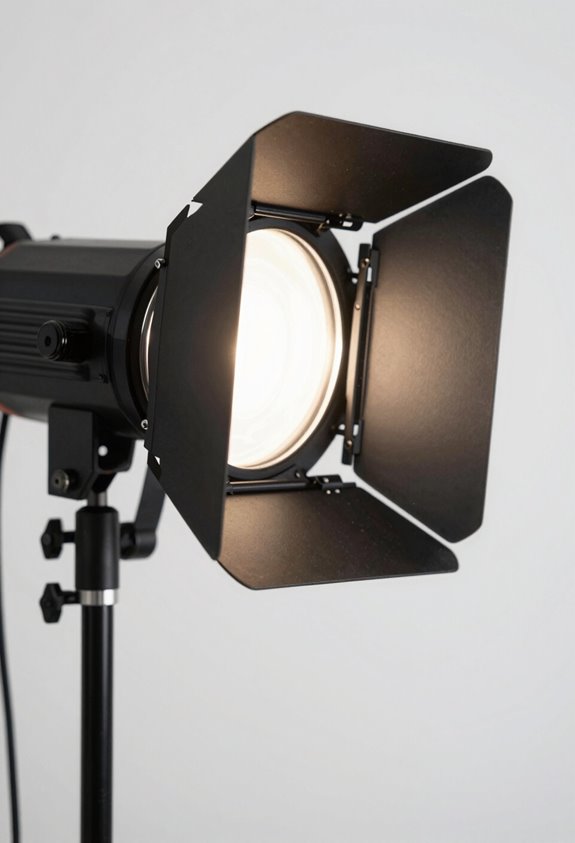
Hey there! So, let’s chat about Fill Light and how it really helps in lighting your subjects. Imagine you’re taking photos or shooting videos, and you notice some harsh shadows on your subject’s face. That’s where a well-placed Fill Light comes in! It’s like your trusty sidekick that softens those shadows created by the main light, or Key Light. This ensures your subject’s features pop beautifully without looking too dramatic or harsh.
Ideally, you want to set the Fill Light opposite your Key Light, and keeping its brightness at about 50-75% does the trick nicely. For instance, if you were filming a portrait, you could use a white reflector to bounce the Key Light back onto the subject, filling in those shadows without adding extra equipment. You can also use diffusion materials like a scrim to soften the light even further, giving your subject a more natural, flattering appearance. Choosing a Fill Light with a high CRI rating ensures true-to-life color rendering, enhancing the overall image quality.
How Back Light Enhances Three-Point Lighting Depth
Hey there! Have you ever wondered how back lighting can really amp up the depth and dimension in a video? It’s such a cool trick that plays a crucial role in three-point lighting setups. When you place the back light behind your subject and point it towards the camera, it creates a lovely rim light effect. This rim light really makes your subject pop, helping separate them from the background – something that can really save a scene from looking flat and lifeless.
For instance, if you’re shooting a close-up of someone speaking, that rim light can highlight their hair and shoulders, giving a sense of depth that pulls viewers in. If you adjust the back light to a ¾ angle, it can accentuate one side of the subject more, which adds a little extra drama. Remember to position it at about 45 degrees and raise it slightly above the subject’s head for the best effect. This little adjustment can enhance your shots considerably! Using lighting equipment with durability and weather resistance ensures consistent performance in various shooting conditions.
Practical Tips for Balancing Light Intensity and Ratios
Balancing light intensity and ratios is super important if you want your video content to really grab attention. Think of it like cooking; too much seasoning can ruin the dish, right? For a cinematic look, try a 2:1 ratio between your key light and fill light — in simple terms, your key light should be twice as bright as your fill light. This setup helps soften harsh shadows without sacrificing depth.
Now, if you’re going for something more commercial, a 1.5:1 ratio works well. To adjust the fill light’s brightness, you can either move it back a bit, dim it down, or even throw on some diffusion materials like scrims or gels to soften the light further. And don’t forget about your backlight! It should be set at a lower intensity to help separate your subject from the background, enhancing that three-dimensional feel.
To keep your lighting gear powered throughout long shoots, consider using high-capacity batteries like the Wasabi Power Battery which offers extended use and reliable voltage stability.
Recommended Products

The RotoFlex pump is a rugged pump with a unique flow-through design; delivers smooth material flow for uniform coverage & consistent spray pattern
Simple 110V/115V Plug-and-Play Setup: No electrician required, simply plug into a standard 110V/115V outlet and enjoy — perfect for patios, backyards, and small outdoor spaces.

Powerful Motor & Long-Range Battery: Equipped with a robust 500W motor and paired with a 48V/20Ah battery, this powered mobility scooter delivers strong performance and a reliable range of 25-37 miles on a single charge.
Common Lighting Setup Pitfalls to Watch Out For
When it comes to lighting setups, it’s easy to fall into some common traps that can really mess up your shots. For example, if you use a fill light that’s just as bright as your key light, it can make your images look flat and lifeless. Ideally, aim for a key-fill ratio of about 2:1 or even 1.5:1 to create some nice depth in your photos.
Another thing to keep in mind is backlight positioning. If you neglect it, your subject can blend into the background, making everything look like a two-dimensional postcard. A good way to fix this is by placing a backlight behind your subject to create a nice separation—this adds depth and draws attention where it belongs.
Also, be cautious with harsh lighting. Using lights directly without any diffusion can cast hard, ugly shadows that can ruin a shot. Instead, consider adding some diffusion material, like a sheet or a softbox, to soften that light and make your subject look more inviting. Overall, it’s all about striking the right balance to achieve an effective lighting setup that enhances your storytelling.
As you set up your lights, remember to play around with angles too. Moving the lights a bit further back or adjusting their position can help eliminate lens flares and shadows, leading to much cleaner results. Once you get the hang of these tricks, you’ll find it opens up a whole new world of possibilities for your photography or videography! Additionally, pairing your lighting setup with cameras that offer advanced sensor technologies can significantly improve low-light performance and image clarity.
Setting Up Your Three-Point Lighting
Setting up a three-point lighting system is really all about how you position your lights to make your subject look great. Think of it like creating a perfectly balanced meal: each element has its role. Start with the Key Light; you want to place it about 3 feet away from your subject at a 45-degree angle. This angle helps illuminate their face effectively, just like the sun shining on a beautiful day.
Now, let’s talk about the Fill Light, which you’ll want on the opposite side of the Key Light. This light’s job is to soften the shadows created by the Key Light. To do that, set its intensity to around 50-75% of the Key Light. Think of it like filling in the gaps in a drawing—you’re making sure the shadows aren’t too harsh.
Finally, don’t forget about the Back Light! Position it behind your subject at another 45-degree angle. This one’s all about creating a nice rim effect, which helps separate your subject from whatever background you’ve got going on. The distance between the lights should be consistent to keep everything looking cohesive.
And once you’ve set your lights up just right, you’ll see how much more vibrant your subject looks! Next, let’s explore some troubleshooting tips for common lighting challenges you might face. Using a stabilized gimbal stabilizer can enhance the overall video quality by providing smooth and steady shots when combined with your lighting setup.
How to Experiment and Get Creative With Lighting
Hey there! You know, when it comes to video lighting, a bit of experimentation can really take your work to the next level. It’s fascinating how adjusting the angles and distances of your key, fill, and back lights can create totally different vibes. For instance, if you position your key light closer to your subject and dial down the fill light, you can cast more dramatic shadows, which might be perfect for a suspenseful scene.
Another fun trick is to use a reflector instead of a traditional fill light. Simply bounce some light back onto your subject with a white sheet or a professional reflector. This creates a softer, more natural look without the harshness that sometimes comes with direct lighting. Plus, don’t forget to look for unconventional light sources—like a warm lamp or the glow from a window. These little touches can add so much character to your video, making it feel more original and engaging.
Next up, let’s explore how color temperature plays into all of this! Remember, choosing temperature resistant materials for your lighting accessories can ensure durability and consistent performance.
Final Thoughts on Elevating Your Video Production
You know, when you think about all those creative lighting techniques we’ve been chatting about, it’s pretty clear how they can really elevate video production. For instance, using a three-point lighting setup is a fantastic way to make your subjects look more dynamic and alive on screen. It adds that extra depth, making them stand out in a way that keeps viewers engaged.
If you play around with two light sources, like a soft Key light and a Fill light, aiming for a 2:1 ratio can work wonders for the overall look. Imagine shooting a scene with a warm Key light from one side and a softer Fill light on the other. This setup helps to soften shadows and creates a more flattering appearance. Plus, using diffusers or reflectors can transform harsh light into something really gentle, making your subjects pop even more.
The key to mastering this is regular practice. Experimenting with different lighting angles will boost your confidence and sharpen your visual storytelling skills. And hey, if you can invest in a versatile lighting kit, you’ll find it makes shooting in various locations much easier—think of it like having a Swiss Army knife for your lighting needs. Using quality equipment alongside proper lighting enhances the overall production value by reducing unwanted shadows and improving image clarity with advanced video capabilities. With these tips, you’re set to take your video production to the next level as you engage in the next phase of your creative journey!
What Are the Benefits of Three-Point Lighting?
You know, three-point lighting might sound a bit technical, but it’s actually a game-changer for improving video quality. Picture this: you have a key light to shine the spotlight on your main subject, a fill light to soften any harsh shadows, and a back light that creates a nice separation from the background. This setup helps smooth out facial features, making everything look more flattering while avoiding those stark contrasts that can pop up without proper lighting.
Think about it this way—when you’re filming a product showcase, the key light highlights the product’s best angles, while the fill light ensures no part is lost in darkness. As a general rule, using a 2:1 ratio between your key and fill lights adds depth and atmosphere to the scene. It’s pretty cool how you can adjust the lights to fit the vibe you want, whether it’s warm and inviting or sleek and modern.
This three-point lighting approach is particularly fantastic for interviews too, as it delivers a polished look that’s pleasing to the eye. So if you’re looking to up your video game, mastering this technique can really elevate your content. Speaking of lighting, let’s talk about how color temperature can further impact the mood of your scenes. For even more precision and control in your filming setup, consider using SmallRig follow focus options to enhance focus accuracy alongside your lighting.
Frequently Asked Questions
Where to Place Key Light and Fill Light?
When we’re crafting our visual masterpiece, let’s position the key light at a 45-degree angle and the fill light opposite. Balancing intensity and angles helps us dance with shadows and highlight our subject beautifully.
What Are the 4 C’s of Lighting?
The 4 C’s of lighting are Color Temperature, Light Intensity, Shadow Control, and Contrast Ratio. By mastering these elements, we can enhance mood, improve scene composition, and effectively utilize various lighting techniques and equipment.
What Is the 3 Lighting Rule?
The three lighting rule enhances our videos with three point lighting: a key light for depth, a fill light for balance, and a back light for separation, ensuring proper lighting contrast, intensity, color, and direction.
How to Fill Light in Video?
To fill light in video, we can use soft light techniques alongside bounce light methods. Adjusting color temperature, utilizing natural light, and selecting diffusion materials help control shadows while ensuring practical light placements enhance our subject’s features.


