As an Amazon Associate, we earn from qualifying purchases. Some links on this site are affiliate links at no extra cost to you. Our recommendations are based on thorough research and editorial judgment.

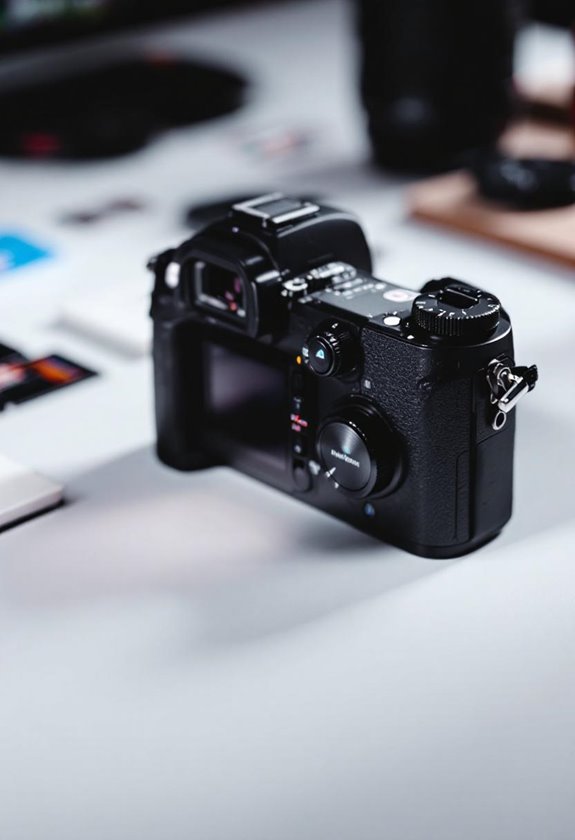
Autofocus Modes Explained: Face Detect Vs Tracking Vs Manual

Autofocus systems feature three primary modes: face detection, tracking, and manual focus. Face detection excels in identifying and focusing on human faces, making it ideal for portraits. Tracking autofocus, on the other hand, continuously adjusts focus on moving subjects, ideal for fast-paced photography like sports. Manual focus grants photographers total control, especially in low-light or low-contrast scenarios, where autofocus can struggle. Understanding these modes will help us choose the right one for every shooting condition. There’s more to explore on optimizing these modes.
Key Takeaways
- Face detection focuses on human faces, using algorithms to ensure sharp focus on eyes, ideal for portraits.
- Tracking autofocus adjusts continuously to capture fast-moving subjects, making it perfect for sports and action photography.
- Manual focus offers precise control in challenging situations, like low light, and helps avoid autofocus misfires with low contrast subjects.
- Hybrid autofocus systems combine advantages of both face detection and manual focus for enhanced accuracy in various shooting environments.
- Selecting the right autofocus mode based on lighting and subject movement is crucial for achieving optimal photography results.
Autofocus Essentials: Key Modes Explained
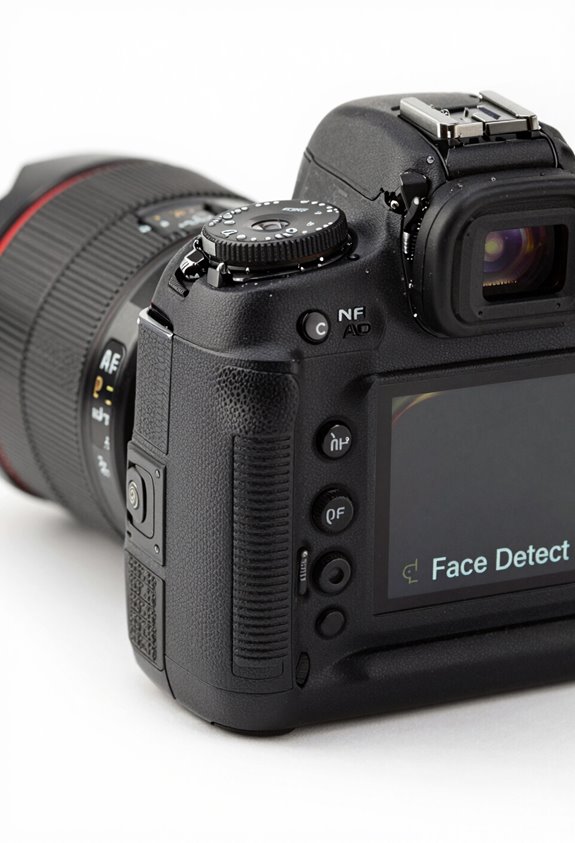
Hey there! If you really want to improve your photography skills, getting comfortable with autofocus modes is key. Let me break it down for you because there are four main modes that can really make a difference in your shots.
First up is face detection. This one’s a lifesaver for portrait photographers. Imagine snapping a photo of your friend, and the camera locks in on their face, making sure their eyes are crystal clear. It’s perfect for those intimate moments where you want to capture detail in the eyes, like during a wedding or a family gathering.
Next is tracking mode, also known as continuous autofocus. This mode shines when you’re capturing moving subjects, like kids playing soccer or birds in flight. The camera continuously adjusts the focus, so you get sharp images even as your subject zooms around. It’s fantastic for action shots where timing is everything!
Then we have manual focus mode. This mode gives you total control, making it essential in tricky situations—like shooting in low light where autofocus might struggle. For example, if you’re photographing a sunset or candlelit dinner, you can tweak the focus until you get it just right.
Lastly, many modern cameras come with hybrid autofocus systems that blend face detection and tracking modes. This means better accuracy when you’re trying to keep your subject in focus, regardless of whether they’re standing still or moving around.
Understanding these autofocus modes can seriously up your photography game and help you capture stunning images. Many professional 4K camcorders feature high-precision autofocus systems that enhance the effectiveness of these modes, especially in dynamic shooting environments.
Now that we’ve got the basics down, let’s explore some tips for using these modes effectively in your next shoot!
How Face Detection Autofocus Works and When to Use It
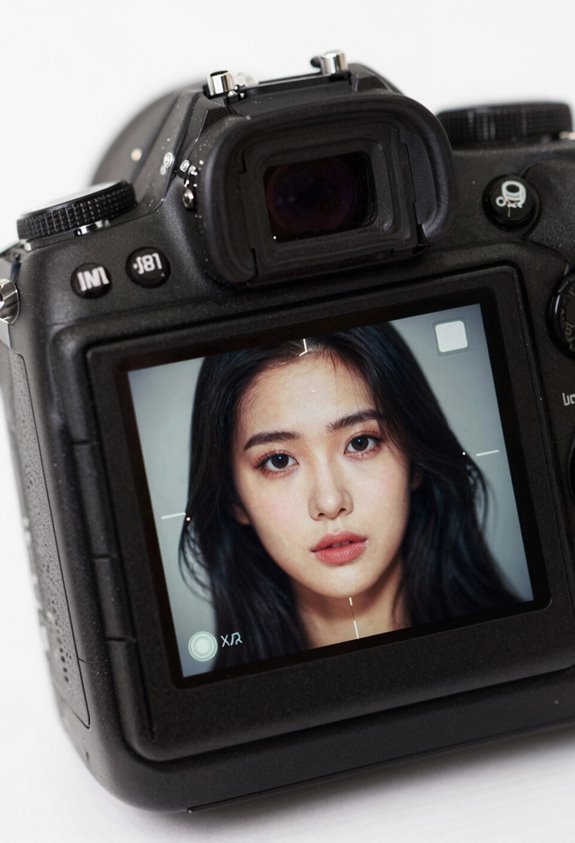
Hey there! Have you ever wondered how Face Detection Autofocus (AF) works? It’s an amazing tool in modern photography that helps cameras spot and focus on human faces in a scene effortlessly. Basically, this system uses smart algorithms—think of them as really clever programs—that combine different techniques to ensure your subject is always sharp. For instance, in portrait photography, the camera can track faces, making sure it adjusts focus as people move around.
Now, here’s a little extra cool feature: many cameras also offer Eye Detection. This means they can zoom in and sharpen their focus specifically on your subject’s eyes. Imagine capturing that perfect moment at a birthday party or family gathering; it ensures everyone’s faces are crisp and clear!
All in all, Face Detection AF really takes the stress out of focusing, letting you enjoy your photography without constantly worrying about blurry shots. It’s like having a helpful assistant by your side! So, whether you’re snapping candid shots or posed group photos, knowing how to use this feature will definitely enhance your photography game. Ready to explore more tips for capturing those special moments? Modern cameras with dynamic range advantages allow you to maintain sharp focus across varying lighting conditions, making Face Detection AF even more reliable.
Benefits of Tracking Autofocus for Action and Movement Photography
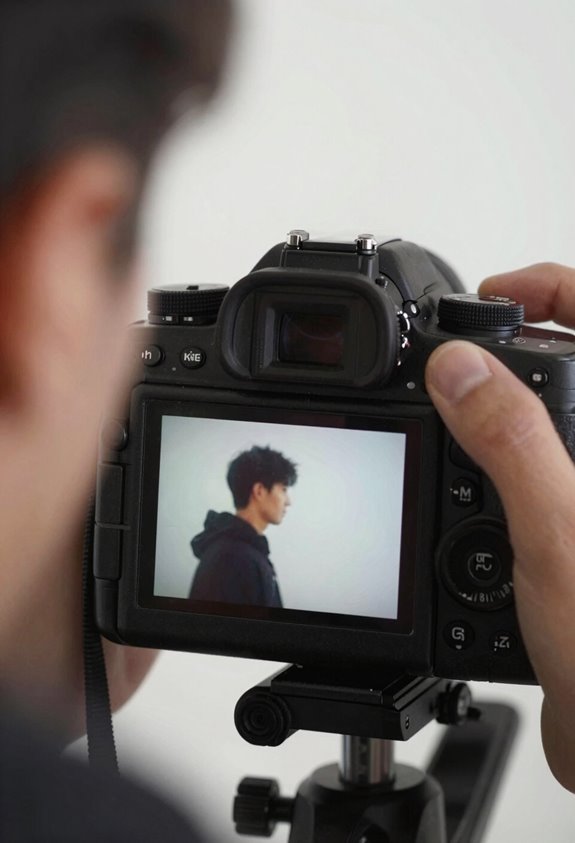
Hey! So, let’s talk about tracking autofocus—it’s really a lifesaver for photographers who love capturing fast action and movement. Imagine you’re at a soccer game, and the ball is zipping around the field. Tracking autofocus continuously adjusts the focus to keep your subjects sharp, no matter how quickly they’re moving or where they’re headed. Pretty cool, right?
This technology uses smart algorithms to anticipate unpredictable motions. For instance, if a player suddenly makes a break toward the goal, the autofocus shifts seamlessly to keep them in focus, ensuring you get that perfect shot. In sports photography, having features like Dual Pixel AF can make a huge difference, as it helps recognize subjects faster and adjusts in real time for maximum clarity.
Plus, when you combine tracking autofocus with face detection, it becomes even better. This means the camera can focus more accurately on the faces of athletes or performers, which is crucial in dynamic situations. Think about capturing that triumphant expression as a runner crosses the finish line! Overall, tracking autofocus enhances our ability to capture the thrill and excitement of movement, allowing us to tell compelling visual stories.
Using devices with smooth, burr-free surfaces greatly improves the stability and precision of continuous autofocus systems during rapid motion capture.
Understanding Manual Focus: When Autofocus Isn’t Enough
You know, capturing that perfect moment isn’t just about how fast you can snap a photo; it’s really about being precise. Manual focus becomes super important when you find yourself in tricky low-light situations or trying to photograph tiny details, like a bug on a flower or the stars in the night sky. Autofocus can get confused with low contrast subjects, causing that annoying hunting effect.
When you’re in one of these situations, making small adjustments yourself can help ensure your subject is crisp and clear. For instance, using focus peaking can be a real lifesaver—it highlights the areas that are in focus, so you don’t have to guess if you’ve nailed it. Plus, switching to manual focus gives you complete control over what part of the scene is sharp, letting you decide how blurred or detailed the background should be.
It may take a bit of practice, but getting the hang of manual focus can really enhance your photography skills. And once you do, you’ll feel more connected to your creative vision, capturing those moments just the way you see them. Speaking of seeing things differently, have you ever thought about how your camera settings can influence your images just as much? Many Panasonic camcorders feature advanced autofocus technologies designed to keep subjects sharp even in challenging shooting conditions.
Choosing the Right Autofocus Mode for Your Photography
When it comes to photography, choosing the right autofocus mode is super important for getting the best shots. Different scenarios call for different approaches, and understanding this can really enhance your experience. For example, if you’re taking portraits, using face detection is a fantastic way to ensure the subject’s eyes are sharp and clear. This mode is perfect for those intimate moments when you want to capture emotion, like a child’s smile or a couple’s gaze.
Now, if you’re venturing into sports photography, subject tracking is your best friend. It keeps adjusting the focus on moving subjects, which means you can snap great action shots without missing a beat. Think about capturing a soccer player making a goal; you wouldn’t want to worry about your focus being off while that moment unfolds!
There are also times when the conditions get tricky, like when you’re shooting macro photography of flowers or capturing the night sky. In these cases, manual focus might be the way to go since it allows for precise adjustments that autofocus sometimes struggles with. Canon offers different autofocus modes, like single autofocus for still images and continuous focus for those fast-paced action shots.
Plus, combining features like Eye Detection with subject tracking can help keep your subject sharp, even when things get dynamic. It’s all about knowing which tools to use to get your desired result. So, the next time you’re out shooting, think about these options to elevate your photography game! Many modern cameras also include anti-shake technology to help maintain focus clarity during movement, making capturing sharp images easier in dynamic environments.
Tips for Optimizing Autofocus Performance in Varied Conditions
Hey there! If you’re into photography, you’ll want to get the most out of your autofocus performance, especially when you’re in tricky situations. Good lighting and high contrast can really help your camera recognize faces and eyes more easily. So, if you’re shooting outdoors during sunset or in a well-lit room, make sure your subject is well-illuminated!
Now, if you’re capturing moving subjects—like kids running around or a dog chasing a ball—try using continuous autofocus (AF-C). This setting allows your camera to keep up with the action and maintains sharp focus, which is super handy when things are zipping by.
When you’re shooting in low light, don’t hesitate to use an AF assist lamp, or grab a lens with a wider aperture. A wider aperture lets in more light, which can really boost your autofocus performance in dimmer places, like at a birthday party or during an evening walk.
Also, experimenting with different autofocus area modes can be helpful. For instance, using dynamic-area AF or zone AF allows your camera to adjust focus on a subject that moves away from your initial selection. And don’t forget to regularly clean your camera lens! Dust or smudges can mess with your autofocus accuracy. By keeping these tips in mind, you’ll find it easier to tackle diverse conditions in your photography adventures.
Now, speaking of subjects, let’s talk about composition and how the right framing can elevate your shots.
For serious videographers and content creators, choosing a camera with advanced image stabilization can make a significant difference in maintaining sharp and steady focus, especially during handheld shooting.
Common Autofocus Issues and How to Fix Them
Dealing with autofocus issues can really test your patience, right? Especially after you’ve worked hard to perfect your techniques. For instance, when you’re shooting in low-light situations, your camera might start “hunting” for focus because it can’t find clear contrast points. To tackle this, try shifting your focus to a spot that has better lighting—you’ll usually have a much easier time getting that sharp shot.
Now, if you ever run into focus failure with subjects that blend into the background, one quick fix is to enhance your lighting. Brightening up the scene can really help your camera pick up those details. Also, consider adjusting your autofocus settings to prioritize contrast detection. This can be especially useful when the subject is low-contrast, like a gray bird against a gray sky.
If you notice your lens consistently focusing too far in front or behind your subject, that’s known as back or front focusing. You can address this issue with simple calibration tools or even by taking it to a professional. And then there’s the headache of artificial lighting flickering, which can really throw off your autofocus. The good news? Switching to manual focus or tweaking your camera settings can often clear that right up.
Using techniques like back-button focus gives you even more control, allowing for precise adjustments in tricky scenarios. The more you practice these strategies, the more confident you’ll feel when faced with autofocus challenges. Ready to explore more advanced techniques? It’s also worthwhile to invest in professional-grade audio gear like lavalier microphones to enhance overall production quality alongside your visuals.
Frequently Asked Questions
What Are the Different Autofocus Modes?
There’re various autofocus modes we can utilize, like Single shot focus, Continuous autofocus, Zone focus, Multi point focus, Live view focus, and techniques like back button focusing, hybrid autofocus, phase detection, contrast detection, and focus peaking.
Is It Better to Autofocus or Manual Focus?
When our camera’s a racing heartbeat, autofocus shines in speed and ease of use, especially for action photography. However, when artistry beckons, manual focus grants creative control and better low light performance for stunning portraits.
What AF Method Should I Use?
We should choose our autofocus method based on our subject movement. For portraits, we’ll use face detection; for action shots, tracking autofocus is best. In low light, manual focus can enhance image sharpness and creative composition.
Should I Use Tracking Auto Focus?
For action photography, choosing tracking autofocus boosts benefits but requires understanding its limitations. By improving tracking accuracy and making necessary adjustments, we can avoid common tracking mistakes and capture crisp, dynamic shots effectively.


