As an Amazon Associate, we earn from qualifying purchases. Some links on this site are affiliate links at no extra cost to you. Our recommendations are based on thorough research and editorial judgment.

Filming Fast Action: Autofocus, Shutter Speed, and 60FPS Choices

To effectively film fast action, we should prioritize filming at 60 frames per second (fps) to guarantee smooth motion. This frame rate, paired with a shutter speed of 1/120 second according to the 180° shutter rule, balances clarity and motion blur. Utilizing continuous autofocus modes keeps moving subjects sharp, enhancing engagement. It’s also crucial to take into account lighting and stabilization tools for peak quality. As we explore, there are innovative techniques that can further elevate our action shots.
Key Takeaways
- Film at a minimum of 60 fps for smoother, high-definition footage, enhancing viewer engagement and allowing for quality slow-motion playback.
- Set shutter speed to 1/120 second to align with the 180° shutter rule, reducing motion blur while capturing fast action details.
- Utilize continuous autofocus (AF-C) to maintain sharp focus on moving subjects, adjusting settings based on the subject’s speed and conditions.
- Use stabilization tools like gimbals to prevent shaky footage, ensuring smoother playback during fast-paced scenes and dynamic action.
- Assess lighting conditions carefully, as high-quality lighting improves clarity and minimizes grain in fast action videography.
Foundations of Fast Action Filming
When you’re filming fast action, getting the basics right can make all the difference in capturing those thrilling moments. For starters, aim for a frame rate of at least 60 frames per second (fps). This helps smooth out the footage and gives it that cinematic feel—think about how sports highlights look on TV, crisp and fluid. Plus, to really nail the clarity, set your shutter speed to about double the frame rate; for 60 fps, that would be 1/120 of a second. This trick minimizes motion blur, so you won’t lose the details of all that excitement.
Now, when your subjects are zipping around the frame, you’ll want to ensure they stay in focus. Using continuous autofocus modes, like Face+Tracking, is key here. It locks onto your moving subject, keeping them sharp as they dart about, just like how cameramen catch a basketball player weaving through defenders. And don’t forget about the balance between shutter speed and ISO sensitivity—if you crank up your shutter speed too high, you might need to bump up your ISO to ensure your image isn’t too dark or grainy.
Understanding these fundamentals can really elevate your fast-action filming game. Combining these settings with vibrant design and appearance helps create visually striking footage that captivates viewers and ignites the imagination. Next, let’s chat about how to pick the right gear for capturing all that action, ensuring you’re well-equipped for any shoot.
The Importance of 60FPS for Smooth Motion
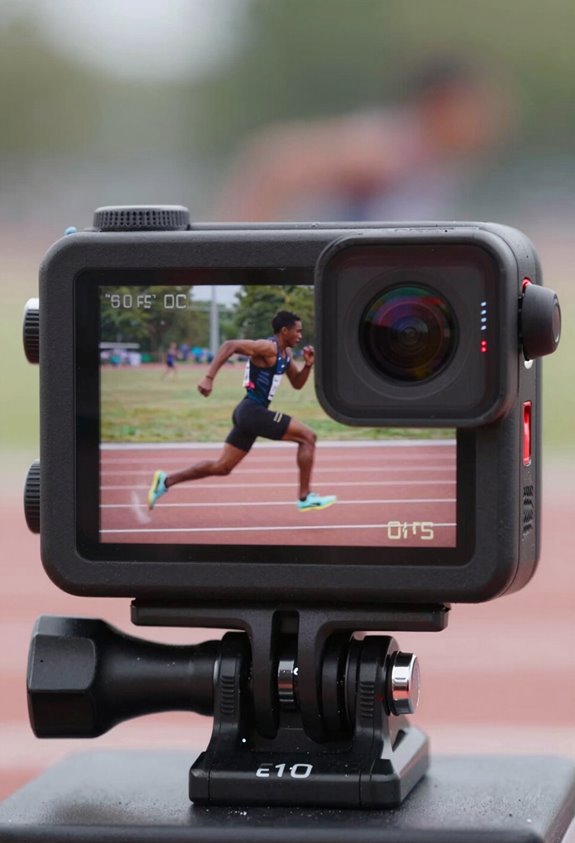
Hey there! You know how important it is to capture fast motion smoothly, right? Well, shooting at 60 frames per second (FPS) is one of the best ways to do just that. Think about it: with 60 FPS, you get double the frames compared to 30 FPS. This means that action-packed scenes, like a thrilling basketball game or an exhilarating car chase, come out looking super clear and vibrant.
When you’re filming at this higher frame rate, it opens up a whole new world for editing. You can slow down the footage in post-production without losing any quality, which is perfect for highlighting those intense moments. For instance, if you want to show a slam dunk in slow motion, 60 FPS makes it look stunning without any blurriness.
To get the best results, make sure to stick to a shutter speed of 1/120 of a second—this follows the 180° shutter rule and really helps sharpen the details. By using 60 FPS, you elevate not just your footage but also keep your audience’s attention, especially if they’re used to watching high-definition content. So, if you want to up your filming game, embracing this frame rate is a smart move. It’s all about giving viewers a smooth and enjoyable experience! Ready to explore more tips? Many professional camcorders also feature advanced stabilization to keep your fast-motion footage crisp and steady.
How Shutter Speed Affects Motion Clarity
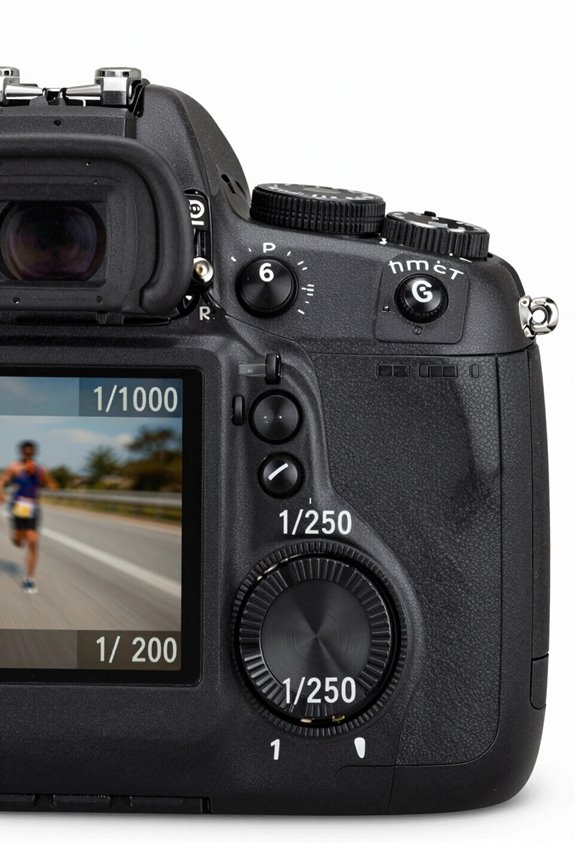
Hey there! Let’s chat about how shutter speed really affects motion clarity in video. You might not realize it, but picking the right shutter speed is super important for getting those crisp shots, especially when things are moving fast. If you’re shooting at 60 frames per second, a good rule of thumb is to set your shutter speed to 1/120th of a second – this is part of the 180° shutter rule. It strikes a nice balance between keeping motion blur in check and ensuring clarity during quick movements, so your action shots don’t end up looking too fuzzy.
Now, if you crank up the shutter speed even more, you’ll catch every detail in your fast shots, but be careful! Go too fast and you might end up with footage that feels a bit choppy. On the other hand, if you slow it down, you can create a nice motion blur, which can add a dreamy effect, but you might lose some sharpness overall. It’s all about finding that sweet spot.
Just think about filming a car race. If you use the right shutter speed, you can capture that thrilling speed without sacrificing the smoothness of the cars in motion. It’s all about mastering those settings to get the look you want, so keep experimenting until you find what works best for your style! After you’ve practiced your shutter speeds, you’ll probably want to explore how frame rates can change the overall feel of your footage too. For filmmakers seeking the best quality in fast action scenes, cameras like the Pocket Cinema Camera 6K Pro offer excellent high frame rates capability with up to 120 fps for smooth, detailed captures.
Mastering Autofocus Settings for Dynamic Action
Hey there! If you want to capture fast-moving action like a pro, mastering the right autofocus settings is key. When you’re filming something that’s zipping around—like kids playing soccer or cars racing—you’ll want to use continuous autofocus, or AF-C for short. This mode helps your camera keep up with everything, adjusting the focus in real time as the subject moves.
Now, to really nail that sharp focus, try using the Face+Tracking or FlexiZone options on your camera. These settings let you track unpredictable subjects, making sure they stay in focus even if they dart around. Just remember, while you’re getting those amazing shots, turning on autofocus can sometimes mess with your audio quality, especially if you’re using the camera’s built-in mic. So, consider grabbing an external microphone if sound quality is important for your project.
Also, keep in mind that low light can throw a wrench into autofocus performance. It’s a good idea to test your gear in different lighting conditions to see how it behaves. And don’t forget to update your camera’s firmware regularly—it often includes improvements for autofocus, which can enhance how reliably it tracks those exciting moments you want to capture.
Using a 5-point capacitive touchscreen monitor can also help you quickly adjust focus settings and frame your shots more precisely on the fly.
So, as you gear up for your next shoot, remember these tips to make the most of your autofocus settings. Ready to switch gears and talk about framing your shots?
Understanding the 180° Shutter Rule
Hey there! So, let’s talk about the 180° shutter rule and why it’s a big deal when you’re filming. Basically, this guideline tells us to set our shutter speed to double the frame rate we’re using. For example, if you’re shooting at 24 frames per second (fps), you’d ideally want your shutter speed to be at 1/48 of a second. This helps create a nice, natural motion blur that makes your footage look more cinematic—especially during those action-packed scenes!
Now, I know what you might be thinking: what if your camera doesn’t have a 1/48 option? No worries! Using something like 1/50 second works just fine in a pinch. And while faster shutter speeds might give you crisper images, they can also make motion blur disappear, which isn’t always what you want. So, if you’re experimenting, try playing with shutter speeds close to the 180° rule to get unique effects, especially when shooting in slow motion. You’d be surprised at how much difference a slight adjustment can make!
This little tweak can really take your footage to the next level. As you explore more, you’ll discover how even the smallest adjustments can affect your final product—like giving that extra flair to your storytelling! Also, using camcorders with advanced image stabilization can help maintain smooth motion during fast-paced shooting, complementing your shutter speed choices.
Innovative Techniques for Engaging Action Shots
When it comes to capturing engaging action shots, there are some cool techniques that really amp up the energy and storytelling of your videos. For starters, using continuous autofocus modes, like Face+Tracking, helps keep fast-moving subjects sharp and in focus, so you don’t miss any of the action. Imagine filming a soccer game—having that autofocus on the player with the ball means they stay crispy clear, even when they’re zipping across the field.
Another neat trick is adjusting your shutter speed to be double your frame rate, like setting it to 1/120th of a second if you’re shooting at 60 fps. This creates a nice motion blur that gives a cinematic feel, especially in scenes with a lot of movement, such as a cyclist racing down a hill. Plus, by filming at 60 fps, you can later slow down those clips for stunning slow-motion moments, like a dramatic finish line sprint, which really makes those key scenes pop.
Don’t forget about your lens—using high-quality optics can cut down on any weird blurriness that might creep in when things get fast-paced. Experiment with different angles and movements too! Try a tracking shot that follows a skateboarder or tilting the camera as a runner dashes by; this makes your video feel more dynamic and keeps your audience glued to the screen. It’s all about creating that visual engagement that makes the story you’re telling come alive. Additionally, incorporating soft lighting techniques can enhance the clarity and natural appearance of your subjects in fast-paced scenes.
Addressing Common Challenges in Action Videography
Capturing stunning action shots can be a lot trickier than it seems at first. One of the biggest challenges in action videography is getting your autofocus just right so it keeps up with those fast-moving subjects. Imagine trying to film a skateboarder doing tricks; you want to make sure that the board and the skater are always in sharp focus as they zoom by.
Another key tip is to set your shutter speed to double your frame rate. For example, if you’re filming at 60 frames per second (fps), you should use a shutter speed of about 1/120th of a second. This helps cut down on motion blur, which is super important when your subjects are moving quickly. Plus, don’t forget about lighting! Filming in low light can make your footage look grainy and lose that crisp quality you want.
Finally, smooth playback is essential, especially to avoid any judder or choppiness in your video. You can achieve this by using stabilization techniques, like a gimbal or tripod, which helps keep your shots steady. With these tricks in your toolkit, you’ll be well on your way to capturing those dynamic moments beautifully! What do you think about experimenting with these techniques for your next project? For enhanced stability, consider cameras equipped with built-in gimbals to reduce shake and ensure professional-quality footage.
Frequently Asked Questions
What Camera Models Are Best for Fast Action Filming?
For fast action filming, we recommend mirrorless cameras and budget-friendly DSLRs that offer great autofocus systems, stabilization features, and excellent low light performance. Compact options with larger sensor sizes are also ideal for enhancing video quality.
How Do Lighting Conditions Affect 60FPS Filming?
Lighting conditions greatly impact our 60fps filming. We must adjust exposure settings to control contrast ratios, utilize ambient light and artificial sources, and consider dynamic range, color temperature, and light diffusion for ideal results.
Can I Use Manual Focus for Fast Action Scenes?
We can use manual focus for fast action scenes, but it has challenges. With practice and experience, we can master focus pull techniques, optimize settings, and mitigate depth perception effects for better subject tracking and shooting distance impact.
What Lenses Are Ideal for Capturing Fast-Moving Subjects?
For capturing fast-moving subjects, we recommend fast prime lenses for sharp image quality and color accuracy, or versatile zoom lenses with stabilization techniques. Guaranteeing proper aperture settings and focal lengths enhances autofocus technology and guarantees lens compatibility.
How Does Frame Rate Impact Post-Production Editing?
Frame rate analysis creates a rhythm in our editing process. It affects motion blur considerations, editing software compatibility, and audio sync issues, while demanding timeline management tips and color grading challenges, along with file size implications for smoother storytelling.


