As an Amazon Associate, we earn from qualifying purchases. Some links on this site are affiliate links at no extra cost to you. Our recommendations are based on thorough research and editorial judgment.


What “4K” Really Means in Video: Resolution, Detail, and Practical Limits

When we refer to “4K” in video, we’re talking about Ultra High Definition (UHD) with a resolution of 3840 x 2160 pixels, yielding over 8 million pixels—four times more detail than 1080p HD. This heightened detail enhances our viewing experience, making textures and intricate visuals more pronounced. For best performance, accessing native 4K content requires a stable internet connection of at least 25 Mbps. To understand more about its impact and capabilities, let’s explore further.
Key Takeaways
- 4K resolution refers to Ultra High Definition with 3840 x 2160 pixels, offering four times the detail of 1080p HD.
- With over 8 million pixels, 4K enhances clarity and allows for intricate details to be seen even at close viewing distances.
- Content quality affects the 4K experience, with native 4K titles requiring strong internet and better storage solutions to minimize compression.
- Enabling HDMI 2.1 and High Dynamic Range (HDR) significantly improves color vibrancy and streaming efficiency for a better viewing experience.
- Future trends include AI-driven upscaling for improved visuals and advancements in streaming technology, enhancing overall 4K content delivery.
Understanding 4K Resolution: What You Need to Know

Hey! Let’s chat about 4K resolution. So, when we mention 4K, we’re really talking about a massive leap in how we see and enjoy videos and images. You may have heard it called Ultra High Definition or UHD—that’s just a fancy way of saying it has a pixel count of 3840 x 2160, which is over 8 million pixels! That’s four times the detail compared to 1080p HD.
What does that mean for you? Well, think about watching your favorite movie in 4K—you’ll notice crisper text, sharper details, and just a richer overall picture. For example, if you’re playing a video game, the landscapes and characters will pop with clarity, making your gaming experience so much more engaging. And if you like to get close and personal with your screen, say when you’re taking a good look at those intricate details in a film, 4K keeps everything looking fantastic.
It’s fascinating to see how this technology enhances our viewing experiences, right? As we move forward, it’s essential to grasp how 4K can improve not just our entertainment but also our appreciation of all kinds of visual media. But there’s even more to explore, including how it stacks up against the newer resolutions! For those interested in capturing such high-quality video, understanding the advantages of 1080p camcorders is a helpful starting point.
Essential Features of 4K for Enhanced Viewing
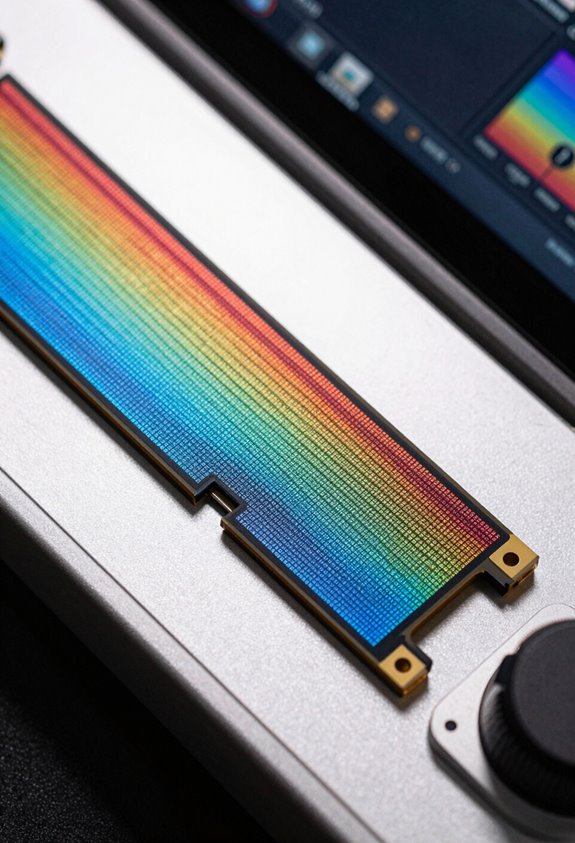
Have you heard about the amazing world of 4K technology? It really changes how we watch our favorite movies and shows. With a resolution of 3840 x 2160 pixels, 4K offers more than 8 million pixels, which means you’re getting four times the detail compared to 1080p HD. This extra clarity makes everything look incredibly sharp, especially if you’re watching on a larger screen, like a 65-inch TV.
Another fantastic feature of 4K displays is their ability to show a wider range of colors. This means you get to enjoy vibrant and accurate colors that truly pop on your screen. For instance, when you watch a nature documentary, the greens of the trees and the blues of the oceans appear more lifelike. Plus, 4K screens improve contrast and depth, so you can actually feel the space in a scene, like standing on the edge of a cliff in an epic adventure film.
As more streaming platforms start offering 4K content, it’s easier than ever to find movies and shows that take advantage of these features. So whether you’re into films, binge-worthy series, or getting lost in video games, 4K technology can truly enhance your viewing experience. It’s exciting to think about how this will shape our entertainment choices moving forward!
To fully capture this enhanced detail, many filmmakers now prefer cameras with optical zoom capabilities that maintain image quality even when zooming in on distant subjects.
How Content Sources Impact Your 4K Experience

Hey there! So, you know how everyone’s buzzing about 4K technology and those incredible visuals? Well, here’s the thing: the quality of your 4K experience really depends on where you’re getting that content from. For example, streaming services like Netflix and Amazon Prime are ramping up their library of native 4K titles, but to enjoy those crisp images, you’ll need a solid internet connection—about 25 Mbps at the minimum is what I’d recommend.
Now, here’s a fun tidbit: many of those classic movies we love haven’t gotten the 4K treatment since they were made before this tech took off. Streaming services do try to enhance older films through a process called upscaling, but the results can’t quite compare to what you’d see with true native 4K footage. If you really want the best video quality, consider picking up UHD Blu-ray discs. They store way more data, which means less compression and higher bitrates—perfect for a movie night! To truly capture and appreciate the detail, using a 4K UHD camcorder can ensure your footage matches the quality of what you’re watching.
Maximizing Your 4K Viewing Experience
Hey there! If you want to really amp up your 4K viewing experience, the first step is making sure your setup is ready to showcase all that incredible UHD quality. Grab yourself a 4K display that can handle at least 3840 x 2160 pixels; that’s where you’ll start noticing the difference in clarity and detail.
Next, don’t forget about those HDMI 2.1 cables! They’re crucial for streaming 4K content smoothly. They ensure you have enough bandwidth to avoid annoying hiccups while your favorite show plays. If you can, also enable those high dynamic range (HDR) settings on your display. This feature drastically boosts color vibrancy and contrast, making colors pop right off the screen.
Lastly, a solid internet connection is key—as a rule of thumb, aim for at least 25 Mbps. This will keep buffering at bay, giving you uninterrupted access to awesome 4K content on platforms like Netflix or Amazon Prime Video. With these steps in place, you can truly immerse yourself in the stunning visuals that 4K has to offer! For filmmakers and content creators, incorporating wireless follow focus systems can also help achieve sharper and more precise focus in 4K video production.
What’s Next for 4K? Upcoming Trends to Watch
Hey there! So, if you’re as excited about 4K technology as I am, let’s chat about what’s coming up next. With 4K TVs, we’re starting to see some impressive features like High Dynamic Range, or HDR for short. This technology really boosts the brightness and color in what you watch, making it feel so much more lifelike. Imagine watching a nature documentary where the colors pop out of the screen – that’s HDR in action!
Now, while 4K is fantastic, you might hear more about 8K in the near future. As more films and shows are made in 8K, and as prices for 8K TVs drop, we might start to see folks making that leap. And don’t worry about your old shows; advancements in AI-driven upscaling will make standard HD content look sharp on your 4K screens. It’s like putting some glasses on your favorite shows – they suddenly look so much clearer!
Also, have you noticed how our phones are getting faster with 5G? This new network will help with streaming movies and shows without buffering, especially when you’re on the go. And for gamers, there’s exciting news; more games are being designed specifically for 4K. This means you’ll need high-performance consoles and graphics cards to keep up with the visuals. It’s a really thrilling time for anyone who loves watching or playing games!
Additionally, professional cameras like the Sony FX9 are pushing the envelope by offering dynamic range exceeding 15 stops, which significantly enhances the quality of 4K video with richer highlights and shadows.
Frequently Asked Questions
What Does 4K Resolution Actually Mean?
4K resolution means higher pixel density, offering improved visual clarity, especially on larger screens. As content availability increases, we must consider hardware requirements, compression methods, and future trends to enhance our viewing experiences and color accuracy.
What Makes a Video Truly 4K?
To achieve true 4K, we must meet industry standards with minimal resolution of 3840 x 2160, ensuring picture clarity through proper content creation and video formats that enhance streaming quality and editing workflow, meeting consumer expectations.
Is 4K 3840×2160 or 4096×2160?
4K generally refers to 3840×2160 Ultra HD for consumer use, while 4096×2160 suits professional cinema. We must consider pixel density, screen size, and hardware requirements for streaming capabilities and compatibility with our preferences.
Is 4K Exactly 4 Times 1080P?
4K isn’t exactly four times 1080p. The pixel density and resolution differences play an essential role in visual perception, impacting streaming limitations and content creation, while display technology demands more from hardware for color accuracy.


