As an Amazon Associate, we earn from qualifying purchases. Some links on this site are affiliate links at no extra cost to you. Our recommendations are based on thorough research and editorial judgment.


Slow Zooms and Reframes: Keeping Motion Professional-Looking

Slow zooms and reframes are key techniques for achieving a professional look in video storytelling. By utilizing uniform speed settings in editing software, like Wondershare Filmora, we can create smooth shifts that emphasize emotions and details. Additionally, AI tools help maintain focus on subjects, enhancing visual engagement. To avoid common pitfalls, we should use zooms sparingly and guarantee essential elements remain in frame. Mastering these techniques elevates our storytelling—there’s so much more to explore on enhancing video projects.
Key Takeaways
- Utilize uniform speed settings in editing software to ensure consistent and smooth slow zooms throughout your video clips.
- Employ AI tools for seamless transitions and to maintain subject focus during zooms, enhancing overall visual storytelling.
- Reframe shots during zooms to elevate interest and guide viewer attention towards pivotal moments in your narrative.
- Keep essential elements centered and clearly in frame to avoid awkward compositions that distract viewers from the story.
- Limit the frequency of slow zooms to preserve their dramatic impact and prevent viewer fatigue.
The Power of Slow Zooms in Video Storytelling

Hey! Have you ever noticed how slow zooms in videos can totally hook you in? They really draw your attention to important parts of a story. When filmmakers use slow zooms, they guide our eyes toward key details, changes in the scene, or those emotional moments that make us feel something. For instance, when a character is experiencing a breakthrough, a slow zoom can help highlight the expression on their face, turning a simple moment into something impactful.
Using editing tools like Wondershare Filmora makes this whole process so much easier. You can control how fast the zoom happens and make sure it flows smoothly. Imagine you’re telling a story about a sunset; a slow zoom in on the changing colors can make that moment feel more dramatic and memorable. By thinking about how and when to use slow zooms, we can make our stories resonate with viewers even more. For those looking to capture these slow zooms perfectly, choosing a camcorder with advanced image stabilization is key to maintaining smooth and professional footage.
Techniques for Applying Professional Slow Zooms
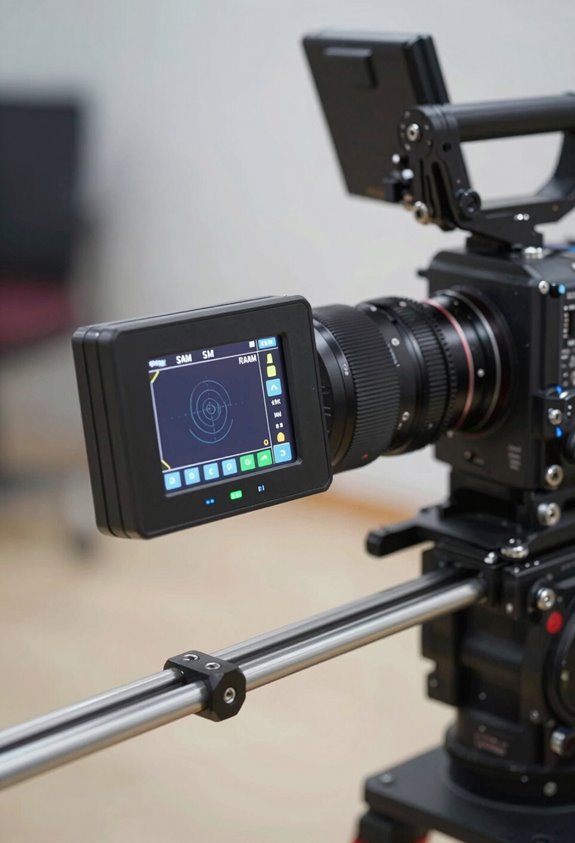
You know, applying professional slow zooms can really elevate the quality of your videos. It’s all about finding the right tools and understanding the story you want to tell through your footage. For instance, if you’re using software like Wondershare Filmora, the Uniform Speed feature can help you create an even zoom throughout a clip, giving it that polished, smooth vibe.
But there’s more! With the Pan and Zoom tools, you can precisely set where your zooms start and end. This means you can draw attention to critical details in your shots—like zooming into a beautiful landscape to highlight a specific feature or focusing on a character’s expression during an emotional moment.
Another handy trick is using AI Frame Interpolation. This technology smooths out transitions, making your edits look seamless. As you plan your slow zooms, think about those key moments where a zoom could really enhance the story you’re telling. And don’t forget to regularly preview your effects to make sure they fit the rhythm of your video.
Additionally, capturing your footage with cameras that feature adjustable zoom can provide greater flexibility when applying these slow zoom effects in post-production.
Top 5 Mistakes to Avoid When Using Slow Zooms

So, you’re thinking about using slow zooms in your videos? That’s a fantastic idea! But there are definitely some pitfalls you’ll want to avoid. First off, don’t go overboard with them. If you use slow zooms too often, they can lose their impact. Think of them like seasoning in cooking—use them sparingly to really highlight those key moments that deserve attention.
Next up is the zoom speed. It’s vital to keep it consistent. For instance, if you start zooming in slowly, try to maintain that same pace throughout so it feels smooth. Tools like Wondershare Filmora can help you out by giving you options for uniform speed, which makes your visuals feel seamless.
Now let’s talk about placement. If your zoom is misaligned, it can throw viewers off. For example, if you’re zooming in on a person talking, make sure their face is centered so the audience can connect with what they’re saying. Proper alignment with your narrative or focal point really amps up engagement.
Another mistake to watch out for is bad framing. If important elements drift out of view during a zoom, it creates awkward compositions. Keep those key components in frame! For instance, if you’re zooming into a product, ensure it stays comfortably within the edges of your shot.
Lastly, always preview your edits before calling it a day. Taking the time to look over your slow zooms can help you catch any potential problems. After all, a polished final product is what you’re aiming for! Speaking of polishing, let’s move on to some tips for enhancing the overall editing process.
Remember, choosing a camera with optical zoom capabilities ensures your slow zooms retain clarity and professional quality throughout the shot.
Using Reframes to Complement Slow Zooms
So, let’s chat about slow zooms and how adding some reframing techniques can really elevate your visuals. When you’re creating content, think about how adjusting the frame size or angle while you zoom in can make your video a lot more interesting to watch. For example, if you start a slow zoom on someone’s face during an emotional moment, gradually shifting the frame slightly can draw the viewer even closer to the story.
Using AI tools can help automate this process, making it easier for you to keep your subjects centered and clear as you zoom in. Imagine you’re filming a scene where someone is sharing an important message. By reframing just a bit as you zoom, you keep their expressions crisp and engaging. It’s all about guiding the viewer’s focus and really highlighting those key moments that drive your narrative.
This approach not only adds a professional touch, similar to what you’d see in movies, but it also helps keep your audience invested in the story you’re telling. So, now that we’ve got a handle on slow zooms and reframing, let’s explore how to use lighting to further enhance your visuals! Using a camera with advanced image stabilization can also maintain smooth and professional-looking zoom shots.
Selecting Tools for Effective Slow Zooms
When it comes to slow zooms, selecting the right tools can really improve your visual storytelling. Think about using software like Wondershare Filmora—it’s fantastic for maintaining a Uniform Speed, which keeps everything smooth, and it has customizable Pan and Zoom features. This means you can adjust how your zooms look to fit the vibe you’re going for. For example, if you’re working on a product demo, you can really highlight those features with a slow zoom that feels natural.
If you want to amp up your projects even more, consider AI-powered tools like OpusClip or Pictory. They not only help you create visually appealing videos, but they can also automatically sync zoom actions to what’s being said, making your content feel cohesive. You could easily compile an engaging tutorial video that showcases a product while zooming in on important features, all without needing to sync things manually.
And don’t forget about mobile apps! They can really streamline your workflow and work well with your usual editing setup. Whichever tools you choose, make sure they let you customize the zoom intensity and how often you want it to happen. Keeping these options flexible helps maintain that polished look that truly captivates your audience. So what’s next? Let’s explore some creative techniques to pair with those tools!
For even more professional results, integrating a SmallRig Follow Focus system can ensure your focus transitions during zooms remain smooth and precise.
Frequently Asked Questions
How to Make Your Video Look More Professional?
To make our video look more professional, we should use cinematic techniques, apply proper lighting effects, adhere to composition rules, implement color grading, and utilize advanced editing software for a polished final product.
What Is the Slow Zoom Effect Called?
The slow zoom effect, often called the dolly zoom, plays a vital role in visual storytelling. It enhances video changes and dynamic movements, showcasing the importance of mastering various camera techniques for compelling content.
What Is the Hitchcock Zoom Technique?
Imagine a tightrope walker swaying in the wind; that’s the Hitchcock Zoom. It masterfully builds suspense and dramatic tension, using clever camera angles to create iconic shots that enhance visual storytelling, leaving us breathless.
What Looks Good in Slow Motion?
We think slow motion looks incredible in action scenes, enhancing the dramatic impact. It captures emotional moments beautifully, and with nature footage or athletic performances, every detail becomes more vivid and engaging for viewers.


