As an Amazon Associate, we earn from qualifying purchases. Some links on this site are affiliate links at no extra cost to you. Our recommendations are based on thorough research and editorial judgment.


Monitoring Audio: Why Headphones Matter During Recording

In podcasting, headphones are essential for effective audio monitoring. They allow us to hear our recordings in real-time, helping identify issues like background noise or distortion immediately. Closed-back headphones (which block environmental distractions) enhance sound quality, enabling clearer dialogue during sessions. Comfort is important for long recordings, so we recommend models with replaceable earpads and a high sampling rate for accurate sound. Understanding these technical aspects can greatly elevate our podcast’s audio quality, leading to a professional finish.
Key Takeaways
- Headphones allow real-time audio monitoring, helping podcasters identify background noise and other issues during recordings for optimal sound quality.
- Closed-back headphones prevent sound bleed and distractions, aiding in focused recordings and improved listener experience.
- Real-time feedback from headphones enhances presentation skills by allowing podcasters to adjust their tone and energy levels on the spot.
- Comfort and balanced audio quality in headphones are crucial for long recording sessions, ensuring ease of use and effective monitoring.
- Professional headphones with dual XLR terminals enhance audio clarity and support seamless integration of sound effects and music in post-production.
Why Headphones Are Essential for Quality Podcasting
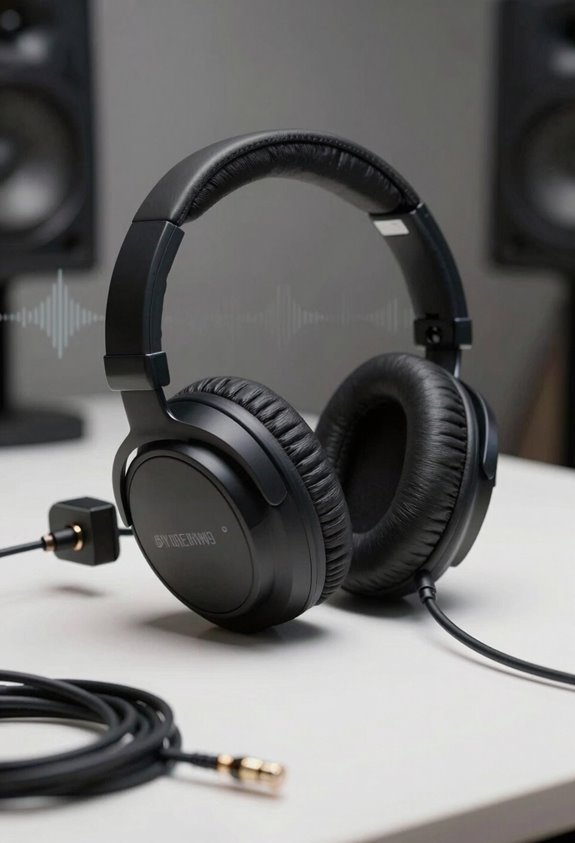
Hey there! So, when it comes to podcasting, we often get caught up in crafting the perfect content, but let me tell you, headphones are just as important if you want to achieve high-quality audio. Think of them as your personal audio watchdog. With good headphones, you can listen to your recording in real time, catching any annoying background noise or hiccups in your audio while you’re in the moment.
Imagine you’re speaking into the mic, and suddenly you hear a faint hum in the background—that’s where your headphones come into play. They allow you to make quick adjustments to your tone or volume as you speak. If you notice your voice is too soft or you’re mumbling, you can easily tweak it before finishing the recording.
Plus, wearing headphones can save you from a common issue called audio bleed. That’s when sound from your speakers leaks into the mic, ruining your listeners’ experience. Quality headphones help block out environmental distractions, so you can focus on producing a consistent sound. This is especially helpful when you have multiple guests in your podcast—everyone can sound their best without any stray noises interrupting the flow.
Many professional podcasters pair their gear with devices featuring advanced image stabilization to ensure audio and visual recordings remain smooth and clear.
Now that we’ve covered why headphones are essential, let’s talk about what types of headphones to look for that will make your podcasting endeavors even smoother.
Enhancing Audio Quality Through Headphone Monitoring
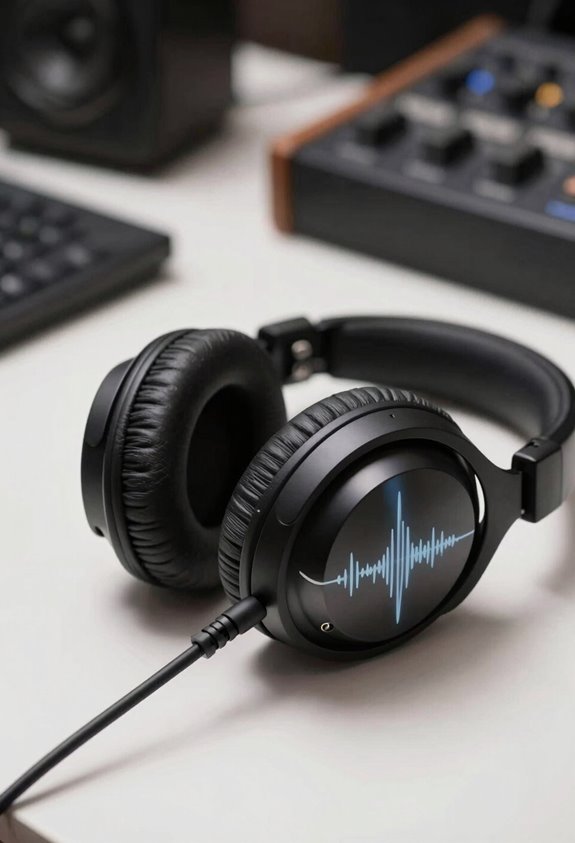
Hey! So, if you want to boost the audio quality of your podcast recordings, you really need to think about headphone monitoring. Wearing closed-back headphones while you record is crucial. They help block out background noise and keep you focused on what you’re saying. Plus, you’ll hear any unwanted sounds immediately, so you can tweak things on the fly.
For example, if you hear a faint hum from a nearby fridge or a dog barking outside, you can adjust your microphone or even pause to eliminate the distraction. This kind of real-time listening not only helps you maintain consistent audio levels, but it also makes it easier to spot and fix issues like distortion or clipping right away. That way, when your audience tunes in, they’re getting the best quality possible, and they’ll be much more likely to stay engaged with your content.
Ultimately, using the right headphones isn’t just about sound quality; it’s about creating an experience for your listeners that feels immersive and personal. And that sets a solid foundation for everything else you do in your podcast production journey! Using headphones with a high signal-to-noise ratio can further ensure you catch even the subtlest issues during recording.
The Impact of Real-Time Feedback on Podcast Presentation Skills

You know, if you’re getting into podcasting, one of the coolest things you can do is use headphone monitoring. Seriously! When you wear headphones—especially those closed-back types—you can actually hear your own voice as you’re recording. This means you can tweak your tone, volume, and how you deliver your lines right there on the spot. Imagine being able to adjust your energy level if it feels too flat or bringing in more excitement when the moment calls for it!
This real-time feedback is a game changer for your presentation skills. It helps you catch any unwanted sounds while ensuring your audio quality stays top-notch. Plus, it gives you that extra boost of confidence, so you can focus on engaging your listeners. For instance, if you notice you’re speaking too softly, you can easily elevate your voice and keep the conversation lively. When you’re aware of how you sound, you’re more likely to have rich, genuine discussions that truly connect with your audience.
And speaking of genuine discussions, let’s explore how preparing your content in advance can also enhance those authentic conversations!
Using wireless lavalier mics with noise cancellation technology can further improve your recording experience by reducing background noise during live monitoring.
How to Choose Headphones for Your Podcasting Needs
Hey there! So, when it comes to selecting the right headphones for podcasting, it’s pretty essential if you want great audio quality. You really want to start by thinking about comfort since you might be wearing them for hours during recording sessions. Who wants sore ears after a long chat, right?
Now, let’s talk about sound quality. You’ll want a pair that offers balanced audio so you can hear exactly what’s being recorded. I recommend closed-back headphones, like the Sony MDR7506. They’re fantastic because they block out outside noise, making it way easier for you to focus on your voice and the audio quality.
Also, think about how you’ll be using them. Low-impedance headphones (those under 32 ohms) will work well with various devices, so that’s a plus! A great versatile choice is the Audio-Technica ATH-M50x. They adapt well in different environments—whether you’re recording at home or on the go.
And let’s not forget about earpads! Make sure they’re comfortable and consider getting a pair with replaceable pads. This little detail can make a big difference, especially during those lengthy podcast sessions. It’s all about ensuring you have an enjoyable experience while you’re creating great content.
Additionally, using headphones with a high sampling rate can help you monitor your audio with greater accuracy and clarity throughout your recording process.
Addressing Headphone Challenges: Alternatives and Solutions
Hey there! You know how uncomfortable headphones can get during those long recording sessions? It’s a real pain! But it’s not just about finding a more comfortable pair; we really need to think about what works best for us as podcasters. For instance, earbuds can be a solid alternative because they often feel lighter and more comfortable for extended wear. Just make sure you pick a quality brand to avoid any sound problems—no one wants to compromise on audio quality, right?
Then there are gaming headsets. These are designed for long hours of use and often come with great sound quality. Brands like HyperX or SteelSeries are worth checking out! If you’re considering wireless headphones, don’t forget to test them out for sound clarity, as you definitely don’t want to deal with dropouts while recording.
Setting up your audio interface correctly is just as important. Making sure the sound routes properly can help you monitor everything smoothly, and it’ll take away the worry of annoying sound delays messing with your recordings. It’s all about finding the right balance so you can focus on creating great content. Using equipment with true diversity receiver technology can also help ensure a more reliable audio signal during your recording sessions. But that leads us to another common hurdle: how do we keep our audio consistent throughout our sessions? Let’s get into that next!
Maximizing Your Podcast Editing Process With Headphone Monitoring
Hey there! Let’s talk about headphone monitoring in podcasting—it’s a total lifesaver, especially when you’re recording. You know how important it is to get clear, high-quality audio from the get-go, right? When you wear good headphones while recording, you can catch any distortion or annoying background noise right away. For instance, if you hear a hum from a nearby fridge, you can shift your recording setup to eliminate it before it becomes a problem.
By keeping an ear on those audio levels, it’s easy to spot any sound spikes too. That way, you can quickly adjust your mic placement or speak a little softer if you notice things getting crazy loud. This not only helps in capturing great sound during your session but also saves you a boatload of time during editing later.
Plus, having clear sound while talking to your guests can really improve communication. For example, if you can hear them clearly, you’re less likely to misinterpret their points, which means fewer edits after the fact. Also, when you incorporate sound effects on the fly, you can create smoother transitions that keep your audience engaged. So, before you even get to post-production, proper headphone monitoring can transform your workflow for the better!
Using headphones with dual XLR terminals ensures you can monitor professional-grade audio inputs clearly and without distortion. Ready to explore editing techniques next?
Frequently Asked Questions
Why Do People Wear Headphones When Recording Videos?
We wear headphones when recording videos for sound isolation, preventing feedback, and enhancing audio quality. They help us manage the audio environment, allowing for performance comfort, equipment synchronization, and improved recording clarity despite ambient noise.
Is It Better to Record With or Without Headphones?
We believe it’s better to record with headphones. They provide sound isolation, enhance audio clarity, reduce echo, and help with recording accuracy. Plus, they minimize ambient noise and listening fatigue, ensuring mixing precision in both studio and field environments.
What Do Monitoring Headphones Do?
Monitoring headphones provide sound isolation and excellent frequency response, ensuring audio accuracy. Their closed back design blocks ambient noise, while comfortable earcup cushioning supports long durations, enhancing signal clarity for our recordings. Let’s invest in quality gear!
Why Do You Need Headphones When Recording a Podcast?
We need headphones when recording a podcast for audio feedback and sound clarity. They enhance podcast quality by isolating ambient noise, ensuring recording accuracy, and improving production value for a better listener experience—something every musician prefers.