As an Amazon Associate, we earn from qualifying purchases. Some links on this site are affiliate links at no extra cost to you. Our recommendations are based on thorough research and editorial judgment.

Room Echo Basics: How to Reduce Reverb Without Expensive Treatment

To reduce room echo and minimize reverb cost-effectively, we can incorporate sound-absorbing materials in our spaces. Using soft furnishings, like upholstered chairs or textured throws, can greatly dampen sound waves. Heavy curtains, especially those made with dense fabrics, act as effective sound barriers when hung from floor to ceiling. Additionally, strategically placed bookshelves filled with books disrupt sound paths and enhance acoustics. If we explore further solutions, we can optimize our space even more efficiently.
Key Takeaways
- Incorporate soft furnishings like upholstered chairs and rugs to absorb sound and reduce echo effectively.
- Use heavy curtains or drapes that reach from ceiling to floor for maximum sound absorption.
- Arrange bookshelves filled with books to break up sound waves and enhance acoustic quality.
- Hang tapestries or quilts on walls, as they offer better sound absorption than flat art.
- Install affordable acoustic panels or foam in key areas to diminish echo and enhance audio clarity.
Identifying Echo in Your Space: Causes and Effects

Hey there! Have you ever noticed how some places can amplify sound in a way that makes it hard to hear someone speaking? That’s the phenomenon of echo! It happens when sound waves bounce off hard surfaces—think concrete walls, glass windows, or tiled floors—and then come back to our ears as a repeated sound. This can really interfere with clear communication, especially in places like conference rooms or auditoriums where clear speech is crucial.
Now, tall ceilings can make the situation even trickier, as they allow sound to travel further before it finally dies down. It’s kind of like shouting in a canyon; the sound just keeps bouncing around! To tackle this issue, one effective solution is to incorporate sound-absorbing materials in the space. For instance, adding acoustic panels or even heavy curtains can significantly reduce that pesky echo. Using sound-absorbing materials can help manage sound reflections more efficiently, similar to how multiple outputs in a power bank handle multiple devices to optimize performance.
Simple Furnishing Changes for Echo Reduction

You know, echo can really impact the vibe of a room, and the good news is that we can make some simple furnishing changes to tackle it head-on. Think about it—soft furnishings like upholstered chairs or even a couple of well-placed throw pillows can soak up sound waves, which helps calm that echoing noise we sometimes hear.
Another great trick is to lay down rugs, especially if you have hard floors. They do a fantastic job of absorbing sound vibrations and keeping echoes at bay. Plus, if you have some bookshelves or wall art, arranging them just right can break up sound paths and help diffuse that annoying echo.
Mixing different textures, like adding a cozy blanket or some interesting wall decor, can also boost how much sound gets absorbed in the room. These simple adjustments can really revamp your home office into a quieter space where you can focus better. It’s all about being mindful of what we have around us! Using shockproof padding in furnishings can enhance the absorption of sound waves, reducing echo even further. Speaking of focus, let’s chat about some other ways to enhance your work environment.
Heavy Curtains and Drapes: Essential Elements for Echo Control
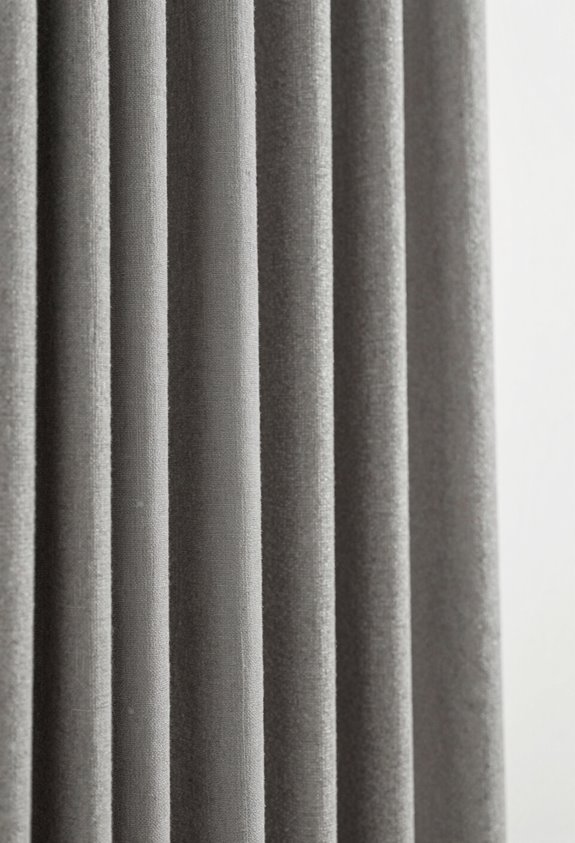
You know, if you’re looking to tackle echo issues in a room, heavy curtains and drapes can be a simple but effective solution. They act as sound barriers that soak up sound waves instead of letting them bounce around off hard surfaces, like windows. For instance, if you choose thick blackout curtains made from a dense fabric, you’ll notice a significant reduction in echo compared to lighter, sheer options.
When these heavy drapes are hung right, they create a softer surface that disrupts those sound pathways, making the space feel much quieter. Ideally, you want them to hang from the ceiling all the way down to the floor, covering the entire window area to keep sound from leaking through. And if you really want to boost the sound quality, think about layering your treatments—like adding shades behind those heavy drapes. It’s a small adjustment, but it can make a big difference in how sound behaves in your space. Using professional tools like the Sennheiser MKE 600 microphone can further enhance audio clarity by focusing on direct sound and reducing ambient noise during recordings.
How to Use Bookshelves and Tapestries for Better Sound?
If you’re looking to improve the sound in your space, using bookshelves and tapestries can make a big difference. Heavy curtains are a great start for sound dampening, but adding bookshelves filled with books can really help tackle any echo in the room. When you fill those shelves, the irregular surfaces of the books break up sound waves, so they don’t bounce around as much. Plus, the pages of books absorb sound, making your room feel cozier and quieter.
You can also think about hanging tapestries or quilts on your walls. Not only do they add a unique flair to your decor, but they also absorb sound much better than flat wall art. For example, hanging a large tapestry behind your couch or a quilt in a dining area can drastically reduce reverb. By combining both bookshelves and tapestries, you create multiple layers that work together to improve your room’s acoustics, especially in areas where hard surfaces tend to amplify sound.
Next time you’re rearranging your room or want to spruce things up, consider how these elements can enhance not just the look, but also the feel of your space. Additionally, using cables with proper shielding helps minimize audio interference and maintain sound clarity, which complements your acoustic improvements.
Affordable Solutions for Echo Reduction: Panels and Foam
Hey there! If you’ve ever struggled with annoying echoes in your room, let me tell you about some great solutions: acoustic panels and foam. Acoustic panels are made from special materials that soak up sound, helping to chop up those echoing sound waves. On the other hand, foam panels are super budget-friendly and lightweight, making them a breeze to hang on your walls or ceilings for better sound absorption.
Now, if you’re looking to target specific areas, you can use thinner foam panels in those spots where echoes seem to bounce around the most. For a more pronounced effect, thicker panels will absorb more sound overall. You could even try making your own fabric-wrapped foam panels for a stylish touch that won’t break the bank. The best part? Mixing both types can be really effective, as they work together to manage different sound frequencies. Combining these treatments with professional-grade microphones can significantly enhance your overall audio quality.
Optimizing Furniture Layout for Enhanced Acoustics
Hey there! If you’re looking to boost a room’s acoustics, the furniture layout is super important. The way you arrange your sofas, chairs, and other pieces can really change how sound travels in the space. For instance, clustering soft furniture can disrupt the path of sound waves, which reduces echoes and creates a cozier atmosphere.
Using unique-shaped furniture is another great trick. Instead of sticking to just rectangular sofas, try mixing in an oddly-shaped chair or a round ottoman. These pieces can help break up sound waves and prevent them from bouncing off flat walls, which is key for a clearer sound experience.
Also, if you have large bookshelves, fill them with books and place them against bare walls. Not only do they look great, but they also act like sound absorbers. The books help scatter sound, which cuts down on that annoying reverb. By gathering furniture around these bare spots, you’re essentially creating an acoustic buffer zone that enhances the clarity of conversations.
And don’t forget about textiles! Adding cozy throws and some plush cushions can significantly help with sound absorption, making your space quieter and more inviting. With these tips, you’ll have a fantastic acoustic setup in no time! To optimize your recordings, consider devices that support AVCHD format for high-quality, clear audio capture. Speaking of comfort, let’s chat about how lighting can also play a role in creating the perfect ambiance.
Frequently Asked Questions
How to Make a Room Less Echoey Cheap?
To make our room less echoey cheaply, let’s install acoustic panels, use soft furnishings, add carpet, and hang soundproof curtains. Arranging bookshelves, incorporating wall decorations, and adding green plants can also help immensely.
How to Reduce Unwanted Reverberation?
To reduce unwanted reverberation, we can incorporate sound absorption strategies like selecting carpeting options, arranging furniture creatively, using wall hangings, adding acoustic panels, and opting for effective window treatments and ceiling tiles for better soundproofing.
How Do You Make Sound Less Echoey?
To make sound less echoey, we can embrace sound absorption through acoustic panels, carpets, and effective furniture arrangement. Combining DIY solutions like wall coverings and window treatments or installing ceiling tiles enhances our room layout, achieving improved acoustics.
How to Make a High Ceiling Room Less Echoey?
It’s like we’re in a medieval castle with echoes everywhere! To make our high ceiling room cozier, let’s use sound dampening materials, ceiling fabric panels, hanging drapery options, and strategic furniture placement with rugs and bookshelves.


