As an Amazon Associate, we earn from qualifying purchases. Some links on this site are affiliate links at no extra cost to you. Our recommendations are based on thorough research and editorial judgment.


Mic Types Explained: Lavalier Vs Shotgun Vs On-Camera Stereo

When choosing between lavalier, shotgun, and on-camera stereo microphones, we find each serves distinct purposes. Lavalier mics are small, clip-on devices ideal for interviews due to their hands-free operation. Shotgun mics excel in focused sound capture, particularly in noisy environments, making them perfect for film. On-camera stereo mics enhance video audio quality and are easy to set up. By understanding these differences, we can select the right mic for our project needs, enabling us to create clearer audio.
Key Takeaways
- Lavalier microphones are hands-free, clip-on mics ideal for interviews, capturing sound omni-directionally, best positioned near the speaker’s mouth.
- Shotgun microphones feature a super-directional design, focusing on specific sounds while reducing background noise, suitable for controlled environments like video shoots.
- On-camera stereo microphones mount directly to the camera, enhancing audio quality by capturing ambient sounds, making them excellent for vlogging and quick setups.
- Proper positioning is crucial: lavalier mics should be near the speaker, while shotgun mics perform optimally at 8 to 16 inches from the sound source.
- Lavalier mics excel in close conversations, shotgun mics are best for isolating sounds outdoors, and on-camera mics provide versatility for various shooting situations.
How to Choose the Right Microphone for Your Project

Choosing the right microphone for your project can feel a bit overwhelming, but let’s break it down together. You really want to strike a good balance between quality, functionality, and budget. Think about where you’ll be using the mic. For instance, if you’re filming outdoors or in a cinematic setting, a shotgun microphone is fantastic. These mics are super directional, which means they can capture high-quality audio while cutting out a lot of that distracting background noise.
On the other hand, if you’re conducting interviews or giving presentations, lavalier mics are the way to go. They’re small and clip onto clothing, giving your subjects the freedom to move around, but they can sometimes pick up more ambient sound than you might want. For example, if someone is wearing a lavalier at a noisy event, it might capture a lot of background chatter.
When you evaluate audio quality, consider mics like the Sennheiser MKE 600. It tends to deliver clearer sound and higher sensitivity compared to typical lavaliers. Plus, you might want to think about how your mic will look in your final output. Shotgun mics can be sneaked out of frame for a cleaner aesthetic, while lavalier mics need careful placement to hide the wires and clips.
And of course, don’t forget to keep your budget and the gear you already have in mind. Using microphones with high signal-to-noise ratios helps ensure broadcast-quality sound in your recordings. As you weigh these features, you’ll be on your way to picking the perfect mic for your needs. Ready to move on to the next steps in your audio project?
Recommended Products
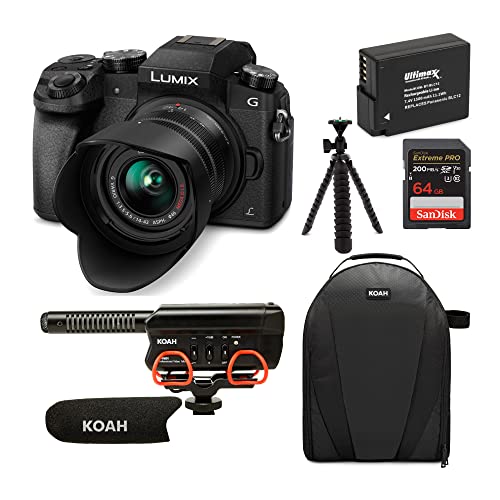
Bundle Includes: Panasonic LUMIX G7 Mirrorless Camera with 14-42mm f/3.5-5.6 Lens (Black), Shotgun Video Microphone Professional On Camera Mic, Sling Camera Bag, 1500mAh Replacement Battery for Panasonic BLC12, 64GB Extreme Pro SDXC UHS-I Memory Card and Flexible 10-Inch Spider Tripod

Dual mini shotgun mics create frontal focus

Pro‑grade Sound Anywhere You Shoot: The new 0.4‑inch large‑diameter mic array delivers crisp, focused audio—even in noisy environments—so creators can capture clear, professional sound on the go.
Understanding Lavalier Microphones: Key Features and Best Use Cases

Hey there! Have you ever heard of lavalier microphones, or lapel mics as some call them? These nifty little devices are super helpful for capturing great audio, especially when you want to keep your hands free. They’re small, clip-on mics that are perfect for interviews, presentations, and live performances because they don’t get in the way.
Most lavalier microphones pick up sound from all directions, which is handy but can sometimes pick up a bit of background noise if they’re not placed just right. To get the best sound quality, try to position the mic about 6 to 12 inches away from the speaker’s mouth. A couple of popular models you might see in action are the Rode Lavalier GO and the Sennheiser ME 2-II. They’re often used in studios or combined with wireless systems, making it easy to move around while still capturing top-notch audio.
It’s fascinating how something so small can make such a difference in sound quality! Now, if you’re curious about what to look out for when choosing a lavalier mic, let’s talk about that next. For those considering different audio setups, understanding the polar pattern of microphones can significantly impact the quality and directionality of sound captured.
Recommended Products

1.【Lavalier Design】IndoorLink E201 lavalier transmitter features a sleek clip-on design that keeps your hands free and eliminates the hassle of wires. This innovative design sets a new standard in simplicity and style for tour guide systems
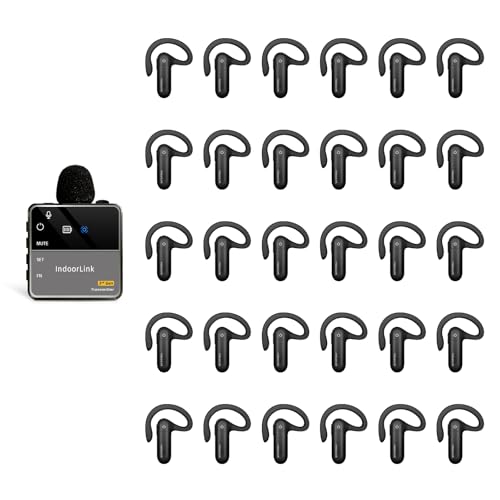
1.【Lavalier Design】IndoorLink E201 lavalier transmitter features a sleek clip-on design that keeps your hands free and eliminates the hassle of wires. This innovative design sets a new standard in simplicity and style for tour guide systems

Sennheiser Pro Audio portable wireless combo set (ew 500 FILM G4-AW+)
Key Differences Between Lavalier and Shotgun Microphones

Hey! So, let’s chat about lavalier and shotgun microphones. Both of these mics are fantastic for capturing audio, but they do it in really different ways, tailored to specific situations. A lavalier microphone, also known as a lapel mic, is that tiny, clip-on gadget you often see in interviews or presentations. It picks up sound from all around it, making it super handy for hands-free talking. Imagine a reporter interviewing someone and their hands are free to hold a notepad—that’s the lavalier in action!
On the flip side, you have the shotgun microphone. Think of it as a highly focused audio recorder. It’s like having a laser pointer for sound; it captures audio from a specific direction while ignoring a lot of the surrounding noise. This makes it a go-to choice for filmmakers or outdoor events where you want to isolate the speaker’s voice without all the background chatter. For instance, if you’re filming a nature documentary, you could position a shotgun mic aimed at the person talking while keeping it at a distance—really handy for capturing great audio without getting in the shot! Many shotgun microphones also feature low-cut filters that help reduce unwanted background noise, making your recordings even clearer.
Recommended Products

Rugged all-in-one wireless system with high flexibility for Broadcast quality sound
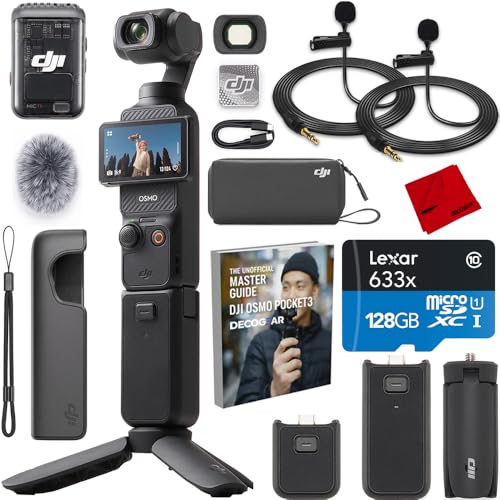
DJI USA Authorized - Full USA Protection | OSMO Pocket 3 - Capture Stunning Footage - This vlogging pocket gimbal camera features a 1-inch CMOS sensor and records in 4K resolution at an impressive 120fps. Capture breathtaking night views and sunsets with enhanced clarity. | Effortlessly Frame Your Shots - Get the ideal composition with Osmo Pocket 3's expansive 2-inch touch screen that rotates for both horizontal and vertical shooting.

42 MHz bandwidth: 1680 tunable UHF frequencies for interference-free reception
Advantages of Shotgun Microphones: Why They Offer Clearer Audio
Hey there! You know one of the coolest things about shotgun microphones? They have this super directional pickup pattern that helps them really zero in on a specific sound source. So, if you’re filming an interview and want to capture just the subject’s voice, a shotgun mic can pick it up clearly while minimizing a lot of that background noise. Positioning it about 8 to 16 inches away from your subject works wonders, and you’ll often notice that it produces sound that’s much sharper than what you’d get with a lavalier mic, which tends to pick up everything around it.
Take the Sennheiser MKE 600, for example. It can run on phantom power or a single AA battery, which makes it versatile for different setups. Plus, when you’re outdoors, having a good windshield is essential—it really helps to cut down on wind noise, ensuring that the audio remains crisp and professional. Overall, these features really help bring out the best in your recordings, making sure that the important sounds are front and center.
Switching gears a bit, let’s talk about how you can connect these microphones to your gear for optimal results. The MKE 600 uses an XLR connectivity system, which is standard for professional audio equipment and ensures high-quality signal transmission.
Recommended Products
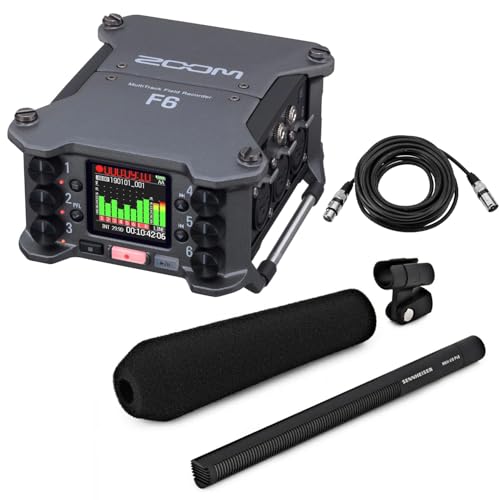
SENNHEISER MKH-416 SHORT INTERFERENCE TUBE MICROPHONE BUNDLE INCLUDES: (MZW 415) Windshield | Zoom F6 Multi-Track Field Recorder | Value Series XLR M to F Professional Microphone Cable - 25'


Beamforming technology employs four mic capsules
Ideal Scenarios for Using On-Camera Stereo Microphones
You know, if you’ve ever thought about when to grab an on-camera stereo microphone, I’ve got some insights for you! These microphones are fantastic for video shooting, especially for vlogging because they really help capture all those little sounds in the background. This ambient noise adds a lot of depth to your videos, making your viewers feel like they’re right there with you.
Take the Rode VideoMic Pro, for example. It’s perfect for close-up interviews or when you’re filming in busy places. Unlike the basic mics that come with cameras, this one enhances your audio quality significantly. When you’re running around filming, you’ll appreciate how easy it is to set up and use—it saves you from needing extra gear like bulky recorders or boom poles.
Now, here’s a pro tip: for the best sound, try to keep the microphone about one to three feet away from your subject. This distance allows the mic to pick up the voice clearly while still capturing that lovely background sound. It’s all about finding that sweet spot! Once you get the hang of it, you’ll see how much better your videos can sound, making your content even more engaging. Ready to learn more about capturing stories on video? The Rode Stereo VideoMic Pro Rycote is also a great option to consider for enhanced stereo audio with advanced shock mounting.
Pros and Cons of Lavalier Microphones
Hey there! So, let’s talk about lavalier microphones, or as you might hear them called—lapel mics. These little guys are fantastic for capturing audio when you’re on the go, like during interviews or presentations. Their clip-on design means you can stick them to your shirt and talk freely without worrying about holding a microphone. Pretty neat, right?
However, there are a few things to keep in mind. Most lav mics are omnidirectional, which means they pick up sound from all around them. So if there’s a lot of background noise, it can muddle your audio. To get the best sound quality, it’s important to place the mic really close to your mouth. For example, if you’re filming a video and want to avoid distracting sounds from the environment, you might want to speak directly into the mic while keeping it just a few inches away.
Now, if you go for a wireless lavalier setup, you gain lots of freedom to move around. But keep in mind, these can sometimes run into battery issues, so it’s a good idea to keep an eye on your power levels. The sound quality can really vary, too. Higher-end lavaliers usually deliver clearer audio than cheaper options, but either way, they’ll give you better sound than the built-in mics on most cameras. Just remember that if you’re shooting a video, you might need some creative ways to hide the mic for that sleek look on camera.
All in all, lavalier mics are pretty handy for clear audio, but you’ve got to consider their quirks to get the best results. Utilizing windshield accessories can also significantly improve audio quality when recording outdoors. Now that we’ve covered that, let’s explore how you can effectively manage background noise while using them!
Benefits and Limitations of Shotgun Microphones Explained
Hey there! So, you know how lavalier microphones are fantastic when you need to move around, right? Well, shotgun microphones offer a whole different vibe, especially in places where you want to control the sound. They’re designed to pick up audio from a specific source while filtering out background noise, which is why they’re perfect for settings like video shoots or interviews where every word counts.
For the best results, you typically want to position a shotgun mic about 8 to 16 inches from the sound source. This closer placement really helps capture clear and rich audio. Just keep in mind that these mics often need extra power, like phantom power or batteries, and might require some additional recording gear. For instance, models like the Sennheiser MKH 416 and Rode NTG4+ are famous for their amazing sound quality, but they do limit how much you can move, unlike lav mics. Many shotgun microphones also feature a supercardioid polar pattern which helps focus on the desired sound source while reducing side and rear noise.
Tips for Integrating On-Camera Stereo Microphones Into Your Setup
Hey there! If you’re looking to up your audio game, integrating on-camera stereo microphones into your recording setup is definitely the way to go. Trust me, especially when you’re vlogging or doing interviews, these mics like the Rode VideoMic Pro can make a huge difference. They easily mount on your camera’s hot shoe and give you way better sound than those built-in mics.
Now, to get the best results, try to keep the mic about 12 inches away from your sound source. This simple tip can really boost clarity and drag down the background noise, which is super helpful when you’re in bustling places. Plus, don’t forget to plug in some headphones! Monitoring your audio levels while recording ensures you catch any distortion before it becomes a problem.
On-camera stereo microphones adapt beautifully to different filming setups, giving you that rich, immersive sound you want for your projects. Whether you’re in a park or interviewing someone in a café, this setup has got you covered. Now, let’s talk about some practical tips for adjusting your settings to match different environments! Many on-camera microphones now include intelligent gain control technology to help automatically balance audio levels during recording, making your workflow smoother.
Recommended Products

3000 millimeter optical zoom-the most powerful zoom lens; Ever put on a Nikon Coolpix camera

THIS BUNDLE INCLUDES: Zoom H8 8-Input / 12-Track Portable Handy Recorder - 2x Zoom ZDM-1 Podcast Mic - 2x Headphones - 2x Windscreens - XLR Cables - 2x Tabletop Stand - Cleaning Cloth (4 items)

This Bundle Includes: Zoom H8 8-Input / 12-Track Portable Handy Recorder - Zoom ZDM-1 Podcast Mic - Headphones - Windscreen - XLR Cables - Tabletop Stand - SanDisk 64GB Extreme PRO SDXC UHS-I Memory Card - 4 AA Batteries & Charger - 2x Mic Cable XLR-M to XLR-F - Cleaning Cloth (7 Items)
When Is the Best Time to Use Each Microphone Type?
Hey! You know, picking the right microphone can really make a difference in how our recordings turn out. Let’s chat about when to use each type of microphone and how it can help us tell a better story.
For instance, lavalier microphones are fantastic for situations like interviews or presentations. Picture this: if you’re chatting with someone at a conference, you can clip one of these mics right onto their shirt. This keeps the mic close to their mouth so you capture all that great sound, while reducing unwanted background noise from the bustling crowd.
On the other hand, if you’re filming a scene outdoors where your subject is a bit farther away, a shotgun microphone is your best friend. It’s designed to pick up sound from a specific direction, which is super helpful in that scenario. This way, you’ll still capture clear audio without too much interference from nature sounds, like birds or wind.
Now, if you’re into vlogging, you might want to consider using an on-camera stereo microphone. They’re generally easy to set up and give a noticeable improvement over the built-in mics on your camera. Just keep in mind that they might struggle to pick up crisp audio if your subject is too far away, since they can be a little sensitive to background noise.
Many professional lavalier microphones feature omni-directional polar patterns, which help capture clear audio from different angles while maintaining sound quality.
How to Maximize Sound Quality With Any Microphone
Choosing the right microphone is just the start; to really maximize sound quality, you’ve got to pay attention to details like positioning and technique. For example, when you’re using a shotgun mic, aim to keep it about 8 to 16 inches away from the person speaking. This distance helps you capture clear audio while cutting out annoying background noise. If you’re using a lavalier mic, try to clip it as close as possible to the speaker’s mouth—sitting right below the chin works great. This setup really enhances the audio quality and keeps distracting sounds from sneaking in.
Now, if you’re recording outside, don’t forget to use a windscreen on your shotgun mic. It might seem small, but this little accessory can really save your sound from being ruined by wind noise. Plus, as you’re recording, put on some headphones to monitor the audio levels. This way, you can catch any pesky issues on the spot and keep your sound as clear as possible. Regularly checking your mic for cleaning or battery status is essential too—it’s all about keeping things in tip-top shape. With these tips, you’ll be on your way to achieving fantastic sound quality, whether you’re recording a podcast, an interview, or a video. Also, just like with stainless steel rails, maintaining your equipment and ensuring proper installation can significantly boost performance and longevity.
Frequently Asked Questions
What Are the 5 Types of Microphones?
Did you know that dynamic microphones are best for live performances? We’ve got five main types: dynamic, condenser, ribbon, boundary, and lavalier microphones. Each serves unique purposes across various settings and sound recording needs!
What Is the Difference Between a Shotgun Mic and a Lavalier Mic?
When choosing between a shotgun mic and a lavalier mic, we see lavalier mic advantages for hands-free interviews, while shotgun mic applications shine in isolating sound. Sound quality comparison reveals distinct best use cases for each type.
What Is the 3 to 1 Rule for Microphones?
The 3 to 1 rule for microphone placement states we should space mics three times the distance from the sound source. This minimizes audio interference and sound reflection, enhancing our recording techniques for clearer audio.
Is a Shotgun Mic Mono or Stereo?
Most shotgun mics are mono, focusing on directional pickup for enhanced audio quality. While stereo versions exist, they’re less common. We can choose based on our specific needs and recording environments for ideal results.