As an Amazon Associate, we earn from qualifying purchases. Some links on this site are affiliate links at no extra cost to you. Our recommendations are based on thorough research and editorial judgment.


Safe Gear Handling: Preventing Drops, Moisture Damage, and Overheating

To handle gear safely, we should focus on preventing drops, moisture damage, and overheating. Using hard-shell cases and proper organization prevents drops, while waterproof materials and silica gel packets control moisture. For overheating, selecting breathable fabrics and layering appropriately guarantees comfort. Regular maintenance and inspections help keep gear in peak condition. By following these strategies, we enhance the longevity of our equipment, and in our continued exploration, we can uncover further insights and best practices.
Key Takeaways
- Use hard-shell cases with padded inserts to prevent drops and impact damage to gear.
- Implement moisture control by using waterproof cases and including silica gel packets in gear bags.
- Regularly inspect gear for signs of wear and clean it to prevent dirt buildup.
- Layer clothing appropriately for comfort and prevention of overheating during physical tasks.
- Take regular hydration breaks and rest to maintain energy and prevent overheating.
Techniques to Prevent Gear Drops

Hey there! So, have you ever thought about how we can prevent gear drops? It’s super important, especially when we’re dealing with expensive and fragile equipment. One of the best ways to keep your gear safe is by using hard-shell cases and padded inserts. For instance, if you’ve got a camera, putting it in a case with nice cushioning can really absorb those inevitable bumps and keep it in one piece.
Another thing to consider is how we load our bags. A solid tip is to place heavier items at the bottom. This creates a better balance and helps prevent your bag from tipping over when you set it down. Plus, now and then, it’s a good idea to inspect your gear for any signs of wear. You know, those little cracks or loose parts? Catching them early can stop a drop before it happens. Using cases made from high-impact NK-7 resin provides excellent shock absorption and extra protection against impacts.
Recommended Products
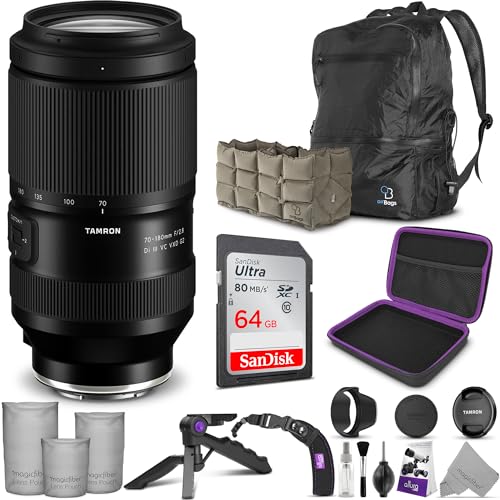
INCLUDES: Tamron 70-180mm f/2.8 Di III VC VXD G2 Lens for Sony E Mount + AirBag Packable Bag and Camera Insert + SanDisk 64GB C10 Ultra UHS-I SDXC Memory Card + Altura Photo Mini Tripod with Pistol Grip + Altura Photo Rapid Fire Wrist Strap + Altura Photo Hard-Shell Case + Altura Photo Cleaning Kit + 3 Sizes MagicFiber Microfiber Lens Pouch

INCLUDES: Sigma 28-70mm f/2.8 DG DN Contemporary Lens for Sony E + AirBag Packable Bag and Camera Insert + SanDisk 64GB C10 Ultra UHS-I SDXC Memory Card + Altura Photo Mini Tripod with Pistol Grip + Altura Photo Rapid Fire Wrist Strap + Altura Photo Hard-Shell Case + Altura Photo Cleaning Kit + 3 Sizes MagicFiber Microfiber Lens Pouch
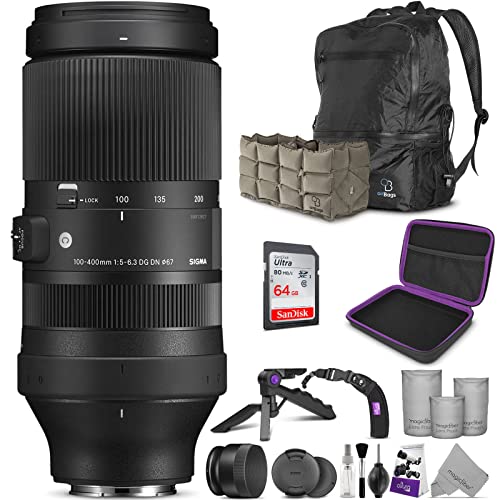
INCLUDES: Sigma 100-400mm f/5-6.3 DG DN OS Contemporary Lens for Sony E + AirBag Packable Bag and Camera Insert + SanDisk 64GB C10 Ultra UHS-I SDXC Memory Card + Altura Photo Mini Tripod with Pistol Grip + Altura Photo Rapid Fire Wrist Strap + Altura Photo Hard-Shell Case + Altura Photo Cleaning Kit + 3 Sizes MagicFiber Microfiber Lens Pouch
Moisture Control: Effective Gear Protection Strategies

Moisture control is super important if we want to keep our gear, especially sensitive electronics, in good shape. Think about it—if you take your camera out on a rainy day or use a drone near a body of water, you definitely don’t want moisture sneaking in and causing problems. One easy way to protect your stuff is to use waterproof or water-resistant cases when you’re out and about. It’s like giving your gear a raincoat!
Another neat trick is to toss a few silica gel packets in your gear bag. These little packets absorb moisture, helping to keep the humidity levels down. It’s a simple addition that makes a big difference. Just remember to avoid sudden temperature changes; they can cause condensation to form, which can wreck your equipment. For instance, if you come in from the cold and immediately open your gear bag, you might let in moisture that can lead to mold or damage later on.
Before you pack up, take a few minutes to make sure everything is completely dry. Regularly cleaning your equipment is also key—use a soft brush or microfiber cloth to keep dust and dirt at bay. Trust me, this helps maintain your gear’s performance and lifespan. So, taking these small steps not only protects your equipment but also gives you peace of mind when you’re out enjoying your adventures! Additionally, choosing cameras with advanced stabilization features can help protect your gear during outdoor use by reducing handling risks.
Recommended Products


External dimensions: 63,25 x 60,2 x 33,27 cm, Internal dimensions: 57,15 x 53,59 x 28,96 cm, Lid Depth: 5,08 cm, Bottom Depth: 23,88 cm, Int. Volume: 127L, Weight (empty): 9,12 kg

External dimensions: 63,02 x 49,2 x 35,23 cm, Internal dimensions: 54,28 x 41,43 x 31,9 cm, Lid Depth: 5,23 cm, Bottom Depth: 26,67 cm, Int. Volume: 115L, Weight (empty): 11,10 kg
Selecting Breathable Fabrics to Prevent Overheating

Hey there! So, let’s chat about breathable fabrics and how they really help keep us cool when we’re working hard or out in the heat. Fabrics like polyester and mesh are fantastic because they allow air to flow freely, which means sweat can evaporate quickly. This helps us avoid that uncomfortable heat stress we all dread during those hot days. For instance, if you’re working outdoors in the summer, wearing a mesh shirt can make a huge difference in how comfortable you feel.
Also, don’t overlook the importance of UV protection. Fabrics with a UPF rating of 50 or more can shield your skin from harmful rays, which is key when you’re under the sun for long periods. Plus, lightweight materials help lighten your load, making it easier to stay active without feeling like you’re carrying extra weight.
It’s a good idea to refresh your workwear every now and then, focusing on breathable and protective options. Investing in gear that keeps you comfortable can really boost your productivity, especially when the temperatures soar. For professionals working with precision, choosing equipment with enhanced heat dissipation features is essential for preventing overheating.
Now, speaking of staying cool, let’s explore some tips for staying hydrated while you work!
Organizing Gear for Safe and Efficient Use
Hey there! Let’s chat about organizing gear, especially how it really makes a difference in staying safe and working efficiently. Think about it: when you have your gear neatly packed in clearly labeled containers or pouches, it not only speeds things up but also cuts down on the chances of misplacing something important during a mission. For example, using a modular packing system can help you group your tools and equipment by their functions, meaning you know exactly where to find that wrench or flashlight without sifting through a cluttered bag.
You might also want to try a color-coded system for your Personal Protective Equipment—like using red for helmets and green for gloves. This way, at a glance, you can see what’s there and grab what you need quickly, especially when time is tight. And hey, regularly checking your gear based on how often you use it ensures you’re always ready to go.
Plus, sticking to a routine for maintaining your organization keeps everything in great shape and extends the life of your gear. So, it’s not just about finding things easier; it’s about making sure everything works well when you need it most. Speaking of readiness, let’s talk about the best practices for keeping your equipment in peak condition! Incorporating stabilization technology in camera gear also plays a crucial role in preventing damage during use and handling.
Recommended Products
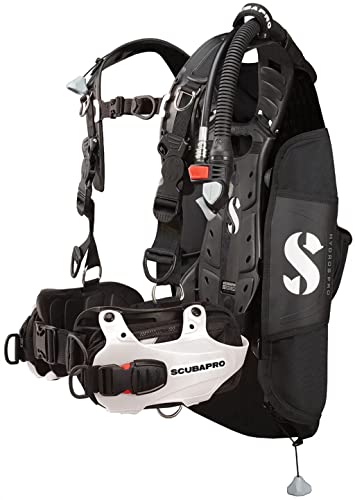
An injection-molded Monprene gel harness, adjustable shoulder straps, and multi-attachment points make the Hydros Pro a leader in customization and comfort.

Ultra Durable: Patented injection molded Monprene Gel Harness is extremely resistant to UV, chemicals and abrasion. The fabric-free harness uses no Velcro or zippers.

Ultra Durable: Patented Injection Molded Monprene Gel Harness is extremely resistant to UV
Tips for Keeping Gear in Shape
Hey there! You know, keeping your gear in shape is super important if you want it to last and work well for you. I always make it a point to clean and inspect my equipment right after using it. It’s a simple habit that really pays off—just imagine if dirt and grime built up in your camera lens or on your bike gears. It can really mess with performance!
Storing your gear properly is just as critical. I recommend finding a cool, dry spot away from direct heat or humidity. For instance, if you have a sensitive gadget like a drone, putting it in a waterproof case can save it from unexpected wet weather and moisture damage. Also, using hard-shell cases or padded inserts can protect your gear from bumps and drops while you’re on the go.
And don’t forget routine maintenance! Things like re-lubricating moving parts or swapping out worn-out pieces can help you dodge those costly issues down the line. It’s all about ensuring your gear is ready for your next adventure. So, whether you’re packing for a trip or just heading out for a weekend, you’ll know your gear is in peak condition! Speaking of adventures, let’s talk about what gear you should consider for your next outing! Pelican 1510 cases are an excellent choice for protecting your gear, thanks to their crushproof, watertight design and customizable interior options.
Layering Clothing Tips for Temperature Control
Hey there! When we’re out and about in different weather conditions, knowing how to layer our clothing can really boost our comfort and performance. The secret to effective layering lies in three basic layers.
First up is the base layer. This is crucial because it’s in direct contact with your skin. Look for materials like wool, silk, or synthetic fibers that wick away moisture. For example, if you’re sweating during a hike, a good moisture-wicking base layer will keep that sweat from chilling you as it cools.
Next, we add an insulating layer, which acts like a cozy blanket to trap warmth. This could be something like a fleece pullover or a puffy jacket. It’s important that it also allows moisture vapor to escape, so you don’t end up damp and cold. Think about wearing a fleece vest over your base layer when the weather is chilly but you’re staying active, like biking.
Finally, you need a protective outer layer. This is your shield against wind and rain, keeping the colder elements at bay. Look for jackets that are both windproof and waterproof. For instance, if you’re facing a brisk, rainy day, a quality waterproof jacket will be a lifesaver and help maintain that warm air trapped by your insulation layer.
Layering not only offers you flexibility to adapt to changing temperatures but also ensures you stay comfortable no matter what activities you have planned. Speaking of activities, let’s talk about how to choose the right materials for each layer for your specific needs! For optimal performance in bright outdoor conditions, consider using gear featuring high brightness visibility technology akin to what’s found in professional monitors.
Key Accessories to Optimize Gear Performance
Hey! You know how we usually think about our main gear when we’re out doing activities? Well, there are these awesome accessories that can really amp up our performance and keep us comfortable. For instance, have you ever tried wearing a hard hat with a cooling liner or a moisture-wicking sweatband? In hot weather, they make a massive difference in how comfortable you feel.
Another great thing is using a low-profile hydration pack. It’s this neat little backpack that gives you easy access to water, so you can stay hydrated without interrupting what you’re doing. And if you’re out in the heat for a while, a cooling vest made from moisture-wicking material can really help you beat the heat.
Lastly, have you thought about multi-piece packs for hard hat accessories? They offer different cooling options and can be super convenient. Investing in these accessories means not only are you staying safe, but you’re also being more efficient in what you’re doing. It’s all about combining comfort with performance, right? Speaking of performance, let’s chat about how proper gear care impacts our overall efficiency. Choosing accessories made from durable materials can prevent wear and tear, enhancing longevity and reliability in demanding conditions.
Recommended Products

KIT INCLUDES: 40 cal/cm bib and jacket, lift front hood w/ highly transparent faceshield, safety glasses, ear plugs, hood bag, and kit bag. Rubber voltage gloves are not included but should be worn while working on electrical components.

KIT INCLUDES: Enespro AirLite 12 cal Jacket & Bib, Lift Front Shroud, Safety Glasses & Case, Facemask, Ear Plugs and Premium Gear Bag. Rubber voltage gloves not included, but should be worn while working on electrical components

Complete Do It Yourself installation instructions; We will support you before and after the sale
Best Practices for Storing Gear for Integrity
Hey there! So, let’s chat about how crucial proper gear storage is for keeping our equipment in great shape. Storing your gear in a cool, dry spot is a no-brainer; it really helps fend off moisture damage that can ruin your things over time. Think about it—if you leave your hiking boots in a damp basement, they’re bound to get funky and wear down quicker.
Using waterproof cases for sensitive items, like your camera gear, is another smart move. It shields them from the elements—like if you accidentally spill a drink while you’re packing up your gear after a day out. Plus, if you’re dealing with outdoor gear, a good wipe down after each use can work wonders to dodge that pesky dirt buildup that can eat away at the materials.
Before you tuck everything away, give your gear a good look. Check for any wear and tear. If you spot a loose strap on your backpack, take a moment to fix it instead of putting it off. Trust me, addressing those small issues can save you from bigger headaches down the line. Finally, make sure your storage space is well-ventilated to keep humidity at bay. No one wants mold attacking their precious gear!
To maximize protection, consider using cases with features like automatic pressure equalization valves that safeguard your equipment from air and water pressure changes.
When you adopt these simple habits, you’ll see your equipment lasting much longer, which is always a win. Now that we’ve covered storage, let’s dig into some tips on how to clean gear properly after each use!
Maintaining Comfort: Training and Techniques for Gear Care
You know, staying comfortable during tough physical tasks really comes down to the right gear care techniques. For instance, if you understand how moisture-wicking fabrics work, you can manage sweat and keep your body temperature in check, which is super helpful when it’s hot out. Plus, having adjustable features in your gear, like stretchy sweatbands or breathable hats, really makes a difference. They help tailor the fit to your needs and keep irritation at bay, especially during those long hours.
Hydration is another key component. A good rule of thumb is to sip water every 20 minutes when you’re exposed to heat—this simple habit can save you from a lot of stress and help keep your energy up. And don’t forget about taking care of your gear! Regularly cleaning items like hydration packs and cooling towels prevents any nasty moisture buildup.
Speaking of comfort, make sure you take breaks in shaded spots or cool, air-conditioned areas. Giving your body a moment to cool down can really help you stay on top of your game. It all adds up to making those demanding tasks a lot more manageable! Using equipment with ergonomic designs and customizable features can also reduce physical strain during long shoots, improving overall comfort and efficiency with SmallRig follow focus systems. Speaking of challenges, let’s chat about how to stay focused and energized when the going gets tough.
Frequently Asked Questions
How to Protect Against Overheating?
To protect against overheating, we should recognize overheating causes and utilize cooling techniques like misting fans. Additionally, wearing properly insulated gear helps manage heat stress, making our work environment safer and more comfortable.
How to Stay Cool in Bunker Gear?
To stay cool in bunker gear, we’ll choose breathable fabrics, use hydration strategies, and incorporate cooling vests. Also, we’ll guarantee proper gear ventilation; it makes all the difference during those intense heat moments.
What Are the Tools for Heat Stress Prevention?
To combat heat stress, we rely on cooling vests, effective hydration techniques, and thorough safety training. By integrating these tools, we guarantee a safer and more comfortable experience in high-temperature environments. Let’s prioritize our well-being together!
How Do Construction Workers Stay Cool in the Heat?
We stay cool in the heat like birds seeking shade. Hydration techniques and lightweight clothing help us, while shade options and acclimatization strategies allow us to tackle the toughest jobs without succumbing to heat stress.


