As an Amazon Associate, we earn from qualifying purchases. Some links on this site are affiliate links at no extra cost to you. Our recommendations are based on thorough research and editorial judgment.


Optical vs Electronic Stabilization: How Each Works

Optical Image Stabilization (OIS) utilizes gyroscopic sensors to detect camera shake, adjusting the lens or sensor in real-time to maintain clarity, particularly in low light. In contrast, Electronic Image Stabilization (EIS) employs software analysis to smooth out video footage by cropping edges and repositioning frames, making it ideal for dynamic scenes. While OIS excels at still images, EIS focuses on video. Both methods enhance overall quality, yet choosing the right one depends on your specific shooting conditions and needs.
Key Takeaways
- Optical Image Stabilization (OIS) uses gyroscopic sensors to physically adjust the lens or sensor, reducing camera shake and improving image clarity.
- OIS excels in low light conditions and allows for slower shutter speeds without introducing motion blur.
- Electronic Image Stabilization (EIS) analyzes video frames in real-time, correcting shakes by cropping and repositioning for smoother footage.
- EIS is ideal for action shots but may compromise image resolution due to cropping and can struggle with larger shakes.
- The choice between OIS and EIS depends on shooting conditions, with OIS being better for still images and EIS optimal for dynamic scenes.
Why Image Stabilization Matters for Your Photography Needs

When it comes to snapping that perfect shot, especially in tricky lighting, having effective image stabilization is key. It really helps cut down on camera shake, which is something you’ll notice a lot when you’re shooting in low light with slower shutter speeds. For example, if you’re trying to capture a sunset, without stabilization, even the slightest tremor can result in a blurry image.
Optical image stabilization (OIS) is fantastic for still photography because it uses physical adjustments in the lens to help stabilize your shots. This means you can get sharper images even during those longer exposures. On the other hand, there’s also digital image stabilization (DIS), which works by analyzing motion after you’ve taken the photo. Although it can help reduce blur, it may crop some parts of the image, which can affect the overall quality.
Understanding these different stabilization methods helps you pick the best one for your photography style. So next time you’re out with your camera, consider what conditions you’re facing. Whether it’s a quick snapshot at a party or a beautiful landscape at dusk, knowing which stabilization to use can make a big difference in the quality of your shots. The Canon XF405 features Five-Axis Dynamic Optical Image Stabilization that significantly improves stability during handheld shooting.
What Is Optical Image Stabilization (OIS)?
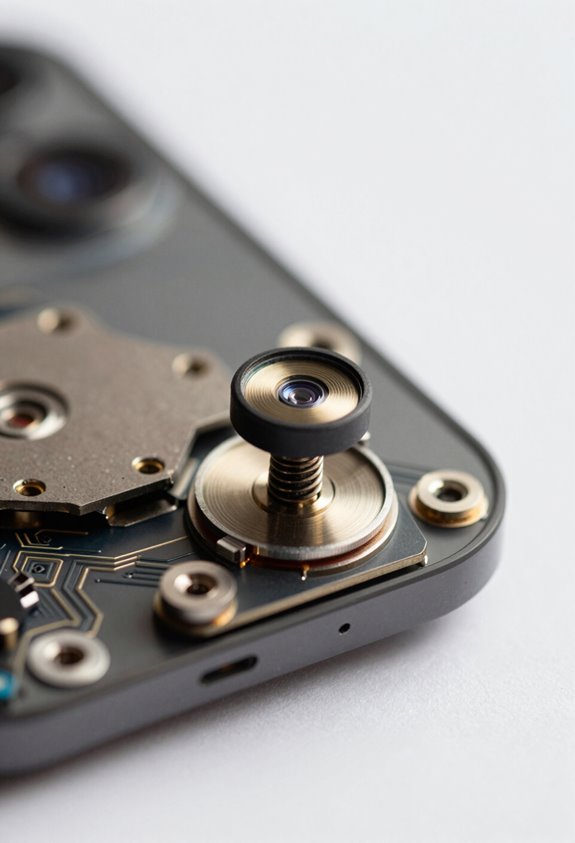
Hey there! So, have you ever heard about Optical Image Stabilization, or OIS for short? It’s a really cool tech that helps us take clearer photos by reducing that annoying camera shake, especially when we’re in low-light situations. Imagine you’re at a concert, trying to snap a picture of your favorite band. Without OIS, your shot might come out all blurry, but with it, you can capture that moment beautifully.
OIS works by using gyroscopic sensors that sense any movements you make while holding the camera. When it detects a shake, it physically adjusts the lens or image sensor to counteract it. This means you can use slower shutter speeds without worrying about motion blur ruining your photos. It’s much better than digital stabilization, which often crops the image and can cut off parts of your shot. For instance, when using a high-end DSLR or a smartphone with OIS, you can often achieve up to 4-5 stops of stabilization, so you can confidently shoot in dimly lit environments without sacrificing quality.
In day-to-day scenarios, think about capturing a family gathering or shooting a sunset. OIS allows you to take those shots without fear of blur ruining your memories. It really does enhance your photography experience and keeps your images sharp. So, if you’re considering a new camera or phone, looking for OIS is a smart move! Optical Image Stabilization is often complemented by advanced sensor technology to further improve light sensitivity and image clarity. Ready to explore how other features can elevate your photography?
Learn How Optical Stabilization Works

Hey there! So, you’re curious about how Optical Image Stabilization (OIS) works, right? It’s pretty fascinating! Basically, OIS helps us snap clear, sharp pictures by adjusting the lens or the camera body whenever there’s any shake—like when you’re taking a shot while standing on a rocky surface. It uses gyroscopic sensors to detect those movements in real-time, so if your hands tremble a bit while you’re trying to focus, OIS kicks in to smooth things out.
You know those moments when you’re in a dimly lit cafe and want to capture that cozy vibe? OIS is a lifesaver in those scenarios! It allows you to shoot at slower shutter speeds without getting that dreaded blur, meaning you can take great photos even with less light. Plus, the newest systems can stabilize in multiple directions. So, whether you’re panning to catch a fast-moving subject or just trying to get a steady shot while walking, OIS adapts perfectly.
In contrast to software methods that might crop your images, OIS keeps all the details intact, maintaining resolution and clarity. Imagine snapping a picture at a local concert where the lights are low but the vibe is high. With OIS, you can capture the essence of the moment without worrying about a shaky camera ruining it. Pretty cool, right? Speaking of capturing great moments, let’s talk about some tips for optimizing your camera settings for different situations!
Many of the best 4K UHD camcorders also feature 5-axis optical image stabilization, which combines several stabilization methods to deliver even smoother footage.
Recommended Products

Super Telephoto PRO Lens 300-800mm (35mm equivalent) that enables 1000mm (35mm equivalent) hand held shooting through built-in teleconverter

High Image Quality with a Back-illuminated Stacked 24.1 Megapixel Full-frame CMOS Sensor

12.1MP1 Exmor R sensor, optimized for 4K, sensitivity and speed
Why You’ll Love Optical Stabilization
Have you ever noticed how some photos come out beautifully crisp, while others are a bit blurry? That’s where optical image stabilization (OIS) comes into play! It’s a fantastic feature in camera technology that really improves our photography game. OIS uses tiny mechanical parts, like gyroscopes, to counteract any shakes or movements while we’re shooting. So even if you’re capturing a picture of your kids playing in the park or trying to snap a sunset while on a bumpy ride, the images can turn out sharp and clear.
Think about those times when you’re taking photos in darker settings, like at a cozy restaurant or during a night event. With OIS, you can shoot with slower shutter speeds without the fear of ending up with blurry pictures from unsteady hands. How cool is that? Unlike digital stabilization, which usually crops your image and can make you lose some important details, OIS keeps everything just as you framed it—maintaining the full picture and resolution.
What’s even better is that, thanks to optical stabilization, we can be a bit more adventurous with our shooting style. You won’t always need that tripod or stabilizer, which makes it perfect for capturing spontaneous moments, like a candid laugh or a fleeting sunset. So when you’ve got OIS in your camera, every shot you take can reflect the clarity and detail you want. For those who prioritize visual clarity, screen resolution is an essential factor to consider in devices that display your images.
Now, let’s chat about some specific situations where OIS really shines!
Recommended Products

Super-telephoto, 600mm Lens with Wide f/4 Maximum Aperture, Exclusively for EOS R-series cameras.

World’s lightest1 600mm super-telephoto full frame wide-aperture F4 lens
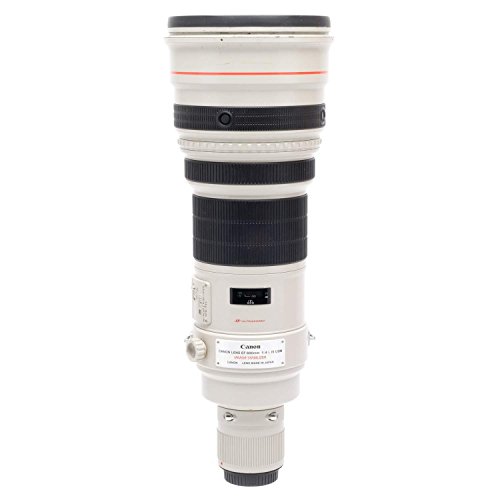
Revised Optics for a lighter Super telephoto EF L Lens
Understanding Image Stabilization: Exploring EIS
Hey there! So, you know how sometimes video recordings can get a bit shaky when you’re moving around? A great way to tackle that is by using electronic image stabilization, or EIS for short. It’s a cool software technology that helps smooth out your footage by actively analyzing each frame while you’re filming. This way, even if your hands are a little shaky, your video looks super steady!
Here’s how it works: EIS takes a look at your video frames in real time and makes tiny adjustments to keep things level. The only catch is that it often crops a bit of the edges to achieve that smoothness, so you might lose some of the outer areas of your shot. But this is especially handy during action-packed moments, like when you’re filming a sports event or chasing after your kids at the park. You’ll get a much clearer view than if you were just using standard stabilization.
Now, while EIS can slightly reduce your overall image resolution, it’s a perfect fit for smartphones and compact cameras, which need to keep things light and efficient. So when you’re out filming, using EIS can really help you capture those crisp, smooth moments, even when the situation gets a little hectic. For even better results, many filmmakers pair electronic stabilization with advanced hardware like 3-axis gimbals to further enhance video smoothness.
Speaking of film techniques, let’s move on to some tips for choosing the right camera settings to complement your stabilization efforts!
How Does EIS Work to Enhance Your Footage?
Hey! Have you ever heard of Electronic Image Stabilization, or EIS for short? It’s such a cool feature that really changes the game when it comes to capturing smooth video. Basically, EIS uses smart software that looks at each video frame in real-time. When you’re filming and your hand shakes (which happens to all of us), EIS steps in to fix it by cropping and repositioning the images so they look steadier.
This is super helpful for shooting videos with your smartphone or camera, especially when you’re on the go—like filming a kid’s soccer game or a nature hike. It lets you get that professional look without needing heavy equipment. Just keep in mind that while EIS smooths out those little bumps really well, it might crop some edges of your footage, which could impact your image quality a bit.
In short, EIS makes it a lot easier to shoot dynamic scenes and capture memorable moments without the worry of shaky footage! Using a tripod with wireless remote control can further enhance stability by allowing hands-free operation, reducing shake caused by manual handling. Let’s explore how this affects the final look of your videos next.
Advantages and Limitations of EIS
Hey there! If you’re getting into videography, you should definitely know about Electronic Image Stabilization (EIS). It’s a clever tech that uses algorithms to smooth out your video footage by reducing camera shake—without needing any moving parts. You see, this is why it’s super popular in smartphones and action cameras, especially since we love keeping things compact when we’re on the go.
Now, while EIS is fantastic for smoothing out those little jitters when you’re filming, it can struggle a bit with bigger shakes. Picture yourself on a mountain bike ride; sure, EIS can handle the little bumps, but if you hit a big pothole, you might still see some shaky footage. Plus, since EIS works by cropping your video to stabilize the image, it can shrink your resolution, especially if you’re shooting in higher quality. So, keep that in mind when you’re filming those epic adventures!
On the bright side, EIS often uses less battery than Optical Image Stabilization (OIS), which is great for those long recording sessions. So, if you’re planning a whole day of shooting, EIS might be the way to go. Just remember to weigh the pros and cons based on your specific needs, and happy shooting! Many vloggers also consider how digital stabilization techniques can impact video quality when choosing between EIS and OIS.
Best Scenarios for Using OIS and EIS in Photography
Hey there! So, if you’re trying to decide between Optical Image Stabilization (OIS) and Electronic Image Stabilization (EIS) for your photography, let me break it down for you. OIS is your best buddy when you’re in dim light or using those long telephoto lenses. Imagine shooting a beautiful sunset or snapping a shot of a distant mountain—OIS helps reduce that annoying camera shake, so your images come out crisp and clear.
On the flip side, if you’re capturing something fast-paced, like a friend skateboarding or a thrilling soccer match, EIS can really save the day. It uses software magic to smooth out shaky footage, so you can focus on the action without worrying about those jittery clips.
A great way to use both is, for example, shooting portraits with OIS to make sure your subject looks sharp, then switching to EIS when filming a lively event. Your choice really hinges on what you’re shooting and how you want it to look. So, now that you know the differences, let’s explore how to get the most out of each stabilization method! Many professional creators also rely on microphones with shock mount systems to minimize vibration noise, ensuring that their stabilized videos and audio maintain crystal-clear quality.
Recommended Products

High-performance, Wide-aperture 400mm f/2.8 Super-telephoto Lens, Exclusively for EOS R-series cameras.

Telephoto zoom lens that builds on the legacy of the popular EF300mm f/2.8 lens.

Lens features a constant fast f/2. 8 aperture through the entire zoom range
Choosing Between OIS and EIS: Key Factors
So, you’re trying to figure out whether Optical Image Stabilization (OIS) or Electronic Image Stabilization (EIS) is better for your photography, right? It really comes down to where and how you plan to shoot. If you find yourself in low light or capturing still images, OIS is fantastic because it uses mechanical parts to smooth out any shaky hands. For instance, if you’re trying to snap a picture at a cozy restaurant with dim lighting, OIS can really help keep that photo sharp.
On the other hand, if you’re filming action-packed scenes, like your kid’s soccer game or a thrilling mountain bike ride, EIS can be your best buddy. It stabilizes video using smart software, but keep in mind that it might crop a bit of your frame, which can lower your resolution. Plus, EIS tends to drain your battery faster, so think about your priorities: clear stills or smooth action shots?
With that in mind, it’s all about matching the right stabilization type to your shooting style and environment. Understanding these differences will help you make a more informed choice when selecting your gear or planning your next shoot. Using equipment with high corrosion resistance ensures that your photography gear remains durable even under challenging shooting conditions.
Recommended Products

10.2MP 4K full-frame back-illuminated Exmor R CMOS sensor

Professional super-telephoto zoom with Nikon's first built-in selectable 1.4x teleconverter
The Future of Image Stabilization Technology: Trends and Innovations
Hey there! You know how everyone wants to capture those perfect photos and videos? Well, image stabilization technology is making some amazing strides to help with that. Manufacturers are really honing in on creating compact systems that are easier to carry around, all without losing the quality we crave.
For instance, you’ll see that mirrorless cameras are benefitting a lot from innovations in sensor technology and smarter algorithms. These advancements allow for better stabilization across various focal lengths, so whether you’re shooting wide landscapes or zooming in on a distant subject, you’ll enjoy clear and steady images. Plus, there’s this exciting new direction with AI-driven stabilization that predicts your movement while you shoot. It’s like having an assistant that helps reduce those pesky motion blur issues.
And here’s another cool tidbit: integrating sensor stabilization systems not only gives you better performance but also allows for more compact designs. This means you can get high-quality results in smaller devices, perfect for on-the-go shooting. As we keep seeing stronger processing power in our gadgets, we can expect even more sophisticated methods in computational photography, which enhances both stabilization and your overall image quality on mobile devices. Additionally, some advanced cameras now combine 6-axis electronic stabilization with digital methods to deliver ultra-smooth footage. So, with all these advancements, capturing those picture-perfect moments is about to get a whole lot easier! Let’s look at the next trend in how these devices are evolving.
Frequently Asked Questions
What Is the Difference Between Electronic Image Stabilization and Optical Image Stabilization?
When we discuss stabilization techniques, we notice that electronic image stabilization often sacrifices image quality for handheld shooting, while optical image stabilization brilliantly combats motion blur by leveraging camera sensors for superior video production.
Which Is Better, Gyro, EIS or OIS?
When considering gyro performance, we find OIS reliability often delivers superior stability for photography impacts, while EIS effectiveness shines in casual scenarios. Ultimately, our stabilization comparison comes down to user preferences and specific usage conditions.
How Does Optical Stabilization Work?
Imagine capturing a stunning sunset without shake. Optical stabilization employs precise camera mechanics and advanced lens design to adjust sensor movement, ensuring image clarity. We can greatly enhance our photography techniques and enjoy significant stabilization benefits.
What Is the Difference Between Digital and Optical Image Stabilization?
Digital stabilization techniques often involve cropping, which can degrade image quality, while optical stabilization uses lens mechanisms to maintain clarity. In various shooting conditions, we find OIS generally delivers superior results compared to digital zoom methods.


