As an Amazon Associate, we earn from qualifying purchases. Some links on this site are affiliate links at no extra cost to you. Our recommendations are based on thorough research and editorial judgment.


Optical Zoom vs Digital Zoom: What You Really Lose

When considering optical zoom versus digital zoom, we must recognize the significant differences in image quality. Optical zoom uses lens adjustments to maintain sharpness, yielding detailed images essential for professional photography. In contrast, digital zoom crops and enlarges images, often resulting in fuzziness and pixelation, especially at higher zoom levels. Understanding these distinctions helps us make informed decisions about camera equipment, balancing detail with convenience. There’s more to explore regarding when to use each zoom type effectively.
Key Takeaways
- Optical zoom maintains image quality by adjusting the lens, providing sharp and detailed images without losing clarity.
- Digital zoom crops the image, resulting in potential fuzziness and pixelation as zoom levels increase, compromising overall detail.
- While digital zoom is convenient for casual photography, it lacks the precision and quality essential for professional shots.
- Investing in optical zoom enhances photography capabilities, especially in low-light situations, by offering better detail retention and wider apertures.
- Combining both zoom types may provide flexibility, but excessive reliance on digital zoom can lead to a significant loss in image quality.
What Is Optical Zoom and How Does It Work?
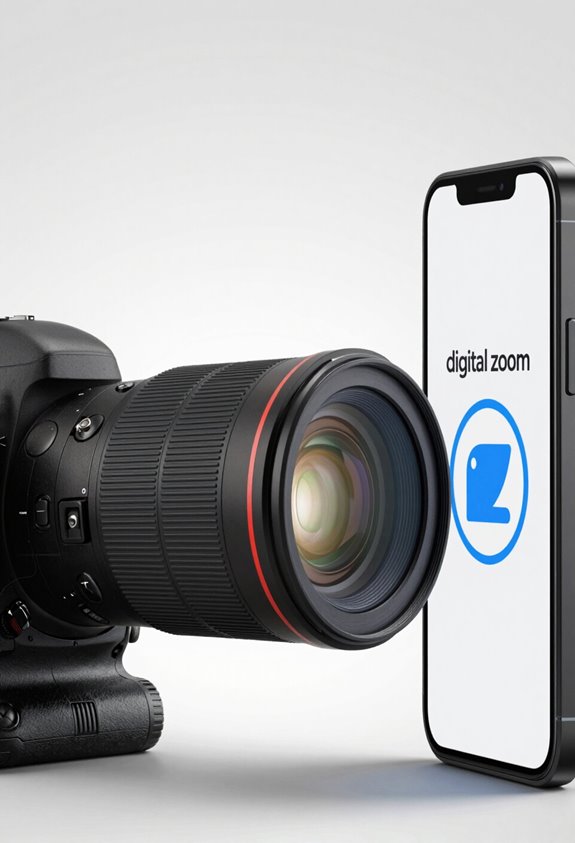
Hey! So, let’s chat about optical zoom and why it’s such a big deal in photography. You know how some cameras let you zoom in on a subject? Optical zoom does this by actually moving the lens elements around, which changes the focal length. That means it can really magnify what you’re looking at — think of it as getting a closer look at something without losing any detail or quality in your picture.
When you see a zoom factor, like 3x or 10x, that’s showing you how much closer the subject will appear. For example, if you’re at a concert and your camera has a 10x optical zoom, you can get a detailed shot of the band from way back in the crowd without any blurriness. Unlike digital zoom, which just crops and can make your images look pixelated, optical zoom uses the whole sensor, keeping everything sharp and clear.
You’ll often find optical zoom in nicer cameras, like DSLRs and mirrorless systems, and now even in some advanced smartphones. So, whether you’re capturing your kid’s soccer game or snapping a pic of a beautiful landscape, having that optical zoom can really help you get the perfect shot. Speaking of different photography techniques, next, we can explore how different lenses can impact your images even further! Many photographers rely on waterproof camera bags to protect their gear when shooting in challenging environments.
What Are the Mechanics of Digital Zoom?
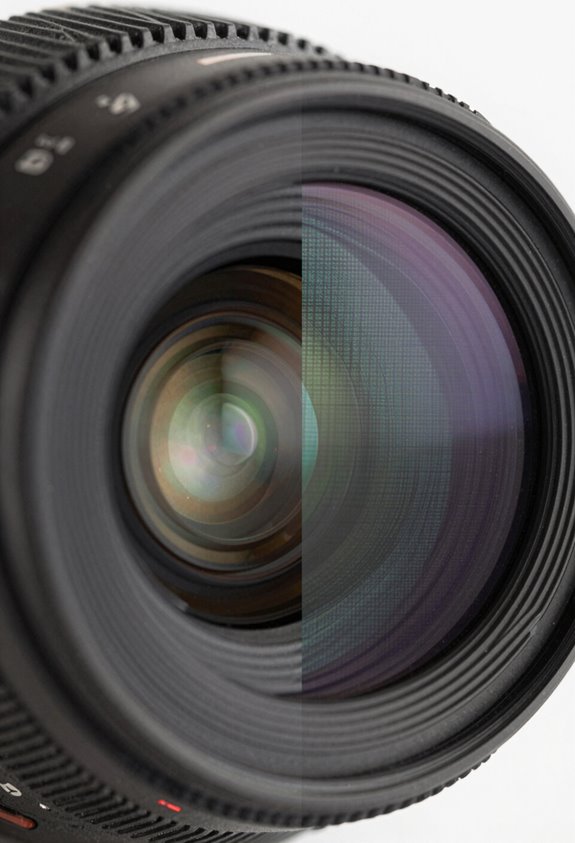
Hey! Let’s talk about digital zoom—it can be a bit tricky to wrap your head around, right? So, here’s the deal: digital zoom basically zeroes in on a part of your photo and blows it up to fit the frame. Think of it like zooming in on a screenshot—it might look great at first, but as you zoom in more, things get a bit fuzzy and pixelated.
For instance, let’s say you start with a 24-megapixel photo; if you use digital zoom, it can feel like you’re suddenly down to less than 10 megapixels! This happens because you’re cropping out a lot of the detail and kind of stretching what’s left. Modern smartphones do have high-resolution sensors that help keep things looking decent, but because digital zoom relies solely on pixels, it’s still not the best choice if you’re after top-notch quality.
In contrast, optical zoom, which is found in some dedicated cameras, uses actual lens adjustments to magnify an image without sacrificing clarity. So, while digital zoom can be handy in a pinch—like capturing a bird sitting far away on a branch—if you want to make sure you get crisp and clear photos, it’s better to stick with good old optical zoom whenever you can! Professional camcorders often feature 20x optical zoom capabilities that preserve sharpness and detail even at long distances.
Optical Zoom vs. Digital Zoom: How Do They Impact Image Quality?
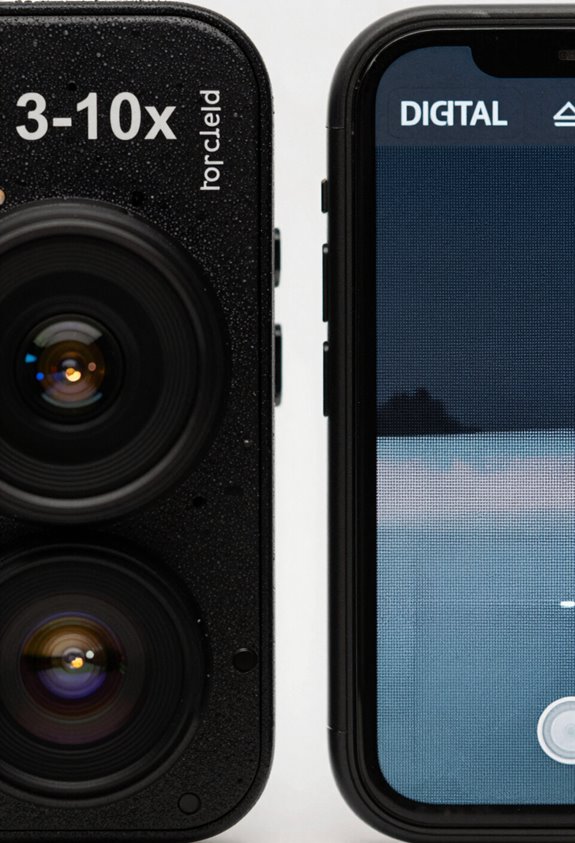
Hey there! So, if you’re into photography, you might want to pay close attention to the differences between optical zoom and digital zoom, especially when it comes to image quality. Optical zoom is all about using the camera’s lenses to get a closer look at your subject without losing any detail. Imagine you’re at a concert and you zoom in to capture your favorite artist; with optical zoom, you’ll get sharp, detailed shots that really stand out.
On the flip side, digital zoom isn’t as kind to your images. It works by cropping a portion of the image and enlarging it, which can result in a blurry or pixelated photo. For instance, if you take a scenic landscape and then zoom in digitally, you might find that the details start to fade away, especially if you zoom in too much. While some newer cameras have improved their digital zoom features, it can still fall short compared to the clarity that optical zoom provides, especially if you’re aiming for high-quality shots.
Understanding these differences can really help you make better choices on your next photography adventure. It’s all about knowing what tools will give you the best results—whether you’re snapping pics for fun or trying to capture that perfect moment. Ready to explore more on how to get the best out of your camera? For example, professional cameras like the Sony FDR-AX43 UHD Handycam offer impressive 40x optical zoom for capturing distant subjects with crisp detail.
Practical Applications: When to Choose Optical or Digital Zoom?
Hey there! Have you ever been curious about when to use optical versus digital zoom for your photography? It’s a pretty important topic, especially if you’re into capturing those fast-paced moments, like during a sports game. Optical zoom is your best friend in those situations because it adjusts the camera lens to get a closer shot without losing any clarity. For example, a camera with at least a 10x optical zoom can snap sharp images of jersey numbers from across the field, making your photos stand out.
On the flip side, if you’re just taking photos for social media or casual snapshots, digital zoom can do the trick. It’s super handy and light, which is why it works well for smartphone users who care more about convenience than perfect image quality. Now, understanding when to use each type—optical for those important moments and digital for everyday use—helps you choose the right settings based on your environment and what you’re trying to capture. Using camcorders with 20x optical zoom takes this clarity to the next level for professional-quality footage. So, that’s the lowdown on zoom types! Ready to explore more about photography tips and tricks?
Should You Invest in Optical Zoom?
So, you’re thinking about investing in optical zoom? That’s a solid idea, especially if you want to take your photography to the next level! Optical zoom is fantastic for keeping your images sharp and clear, no matter the distance. For example, if you’re capturing a bird in flight or action at a sports game, optical zoom allows you to zoom in without losing any details.
Now, I won’t sugarcoat it—those optical zoom lenses can be a bit bulkier and heavier compared to digital zoom options, which can be a hassle if you’re traveling light. But let me tell you, the payoff in image quality is totally worth it. You’ll find that they often have wider apertures, making them perfect for those low-light situations, like an evening concert or a sunset.
And here’s another perk: while the upfront cost can be higher, these lenses tend to be more durable and can last you a long time, making them a good investment in the long run. If you’re serious about capturing stunning images and want the flexibility that comes with zooming in on intricate subjects, optical zoom is a great choice. Ready to explore some specific lens options? Let’s jump into that next!
Also, combining optical and digital zoom can give you even more versatility in framing your shots without significant loss in image quality.
Essential Factors to Consider When Choosing Between Optical and Digital Zoom?
Hey there! So, let’s talk about zoom functionality, specifically the difference between optical zoom and digital zoom. It’s a pretty important choice, especially depending on how you plan to use your camera. Optical zoom is great because it gives you real zoom – you’re actually adjusting the lens to get closer to your subject. On the other hand, digital zoom just crops and enlarges part of the image, which often means you’re sacrificing image quality.
For example, if you’re photographing a beautiful landscape or wildlife from a distance, optical zoom helps you capture those details with clarity. But if you’re just taking a quick snapshot of friends at a concert, digital zoom might be fine since you’re not as concerned about perfection. Just remember, while digital zoom might seem convenient for casual shots, it doesn’t offer the sharpness and detail that serious photography needs.
In the end, understanding these differences will really help you decide what’s best for your budget and what you want to achieve with your photos or videos. It’s about balancing those needs to find the right fit for you. Speaking of needs, let’s shift gears and consider the types of cameras that come with either zoom option and how that impacts your overall experience. Many professional camcorders feature an optical zoom range between 15x to 25x, offering greater versatility for quality shots.
Frequently Asked Questions
Do You Lose Quality With Optical Zoom?
When we use optical zoom, we don’t lose quality; rather, we enhance image clarity. Unlike digital options, more refined lens types and zoom mechanisms improve focus accuracy and sharpness for our photography techniques and practical applications.
Is Digital Zoom as Good as Optical Zoom?
Digital zoom isn’t as good as optical zoom. While it offers some advantages in convenience, optical zoom provides better image quality, especially in low light. Understanding zoom type differences enhances our practical photography tips and overall user experience.
What Is One Disadvantage of Using Digital Zoom?
One disadvantage of using digital zoom’s that it leads to resolution loss, creating pixelation issues and clarity reduction. The crop factor impact harms detail preservation, resulting in user experience drawbacks, especially in low light conditions.
What Is 20X Optical Zoom Equivalent To?
A 20X optical zoom’s like having a powerful telephoto lens, expanding the horizon of photography techniques. It magnifies up to 500mm, showcasing image clarity factors that leave digital zoom limitations in the dust. Let’s capture magic!


